There’s nothing quite like British weather. Nothing in the world has that unique combination of being chilly and wet all at the same time. It’s that awkward limbo season we get every winter that isn’t quite cold enough to justify winter clothing but leaves you visibly damp by the end of your commute.
I’ve visited Scandinavia in the dead of winter and felt warmer there than I have standing at a bus stop in south Manchester at 3° in a light drizzle. One cold January evening last year I found myself waiting for the 42 bus after work, foolishly wearing what I thought was a decent coat. Thick, conservative cut, expensive-looking (£200+ expensive), looked like it should keep the freezing cold away.
There I was, shaking uncontrollably like an overweight seal when the woman next to me – who looked like she was probably wearing about half as much as me – rolled her eyes and said “You’ve got your layers wrong, love.” And she was bloody right. If you spend any length of time Googling ‘how to stay warm in winter’ you’ll soon realise that most of the advice out there comes from people who actually get winters.
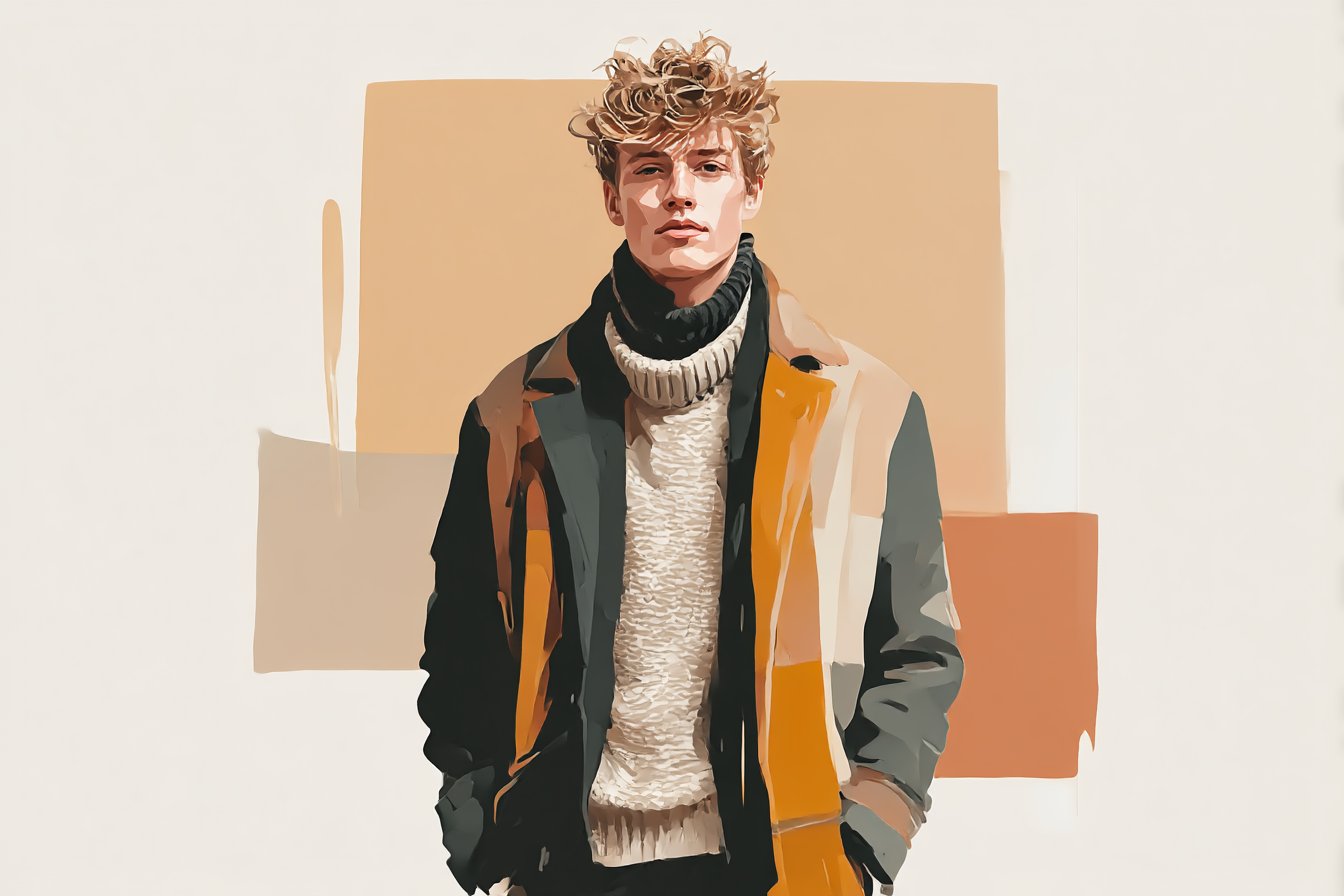
Real winters.
The kind where it legitimately snows every year and stays bitterly cold but dry. Big padded winter coats aren’t a slight exaggeration; they’re a necessity. British weather is not like that.
Our so-called winter climes exist in a muddy puddle of a temperature range where everything you own still gets damp but not cold enough to justify fleece-lined jackets. I’ve spent the last four winters slowly perfecting my winter wardrobe through a lot of research, hundreds (thousands?) of pounds of wasted clothing purchases, and two New Years where I foolishly chose style over function and regretted it immensely. What it took me way too long to realise was that winter layering isn’t about one big coat to keep the cold out.
It’s multiple layers designed to trap heat, yes. But also, most importantly, to wick away moisture. Layering fails because people layer thick.
Thermal vests under coats. Two jumpers piled on top of each other. What they don’t understand is that even when it’s cold your body still produces heat and sweat.
When that sweat gets trapped next to your skin and mixed with the Gods-know-how-damp-it-is-all-the-time British weather you get that clammy-but-still-cold feeling that is the British winter down to a science. I learnt this the hard way after purchasing what I thought was the winter-lightweight wardrobe holy grail. Ridiculously expensive ‘down’ jacket.
Felt like nothing was between me and the cold yet looked like a proper winter jacket. Fast forward to New Years Eve and me wearing this beast on a night out in Leeds. Stood outside getting absolutely soaked with sweat while everyone else seemed cozy.
Called into work sick the next day because I felt like death. So naturally I went for a mid-range ‘down’ jacket as my go-to layer this year. Same issue.
Pretty much threw my hands up and had a good old whinge about it to my friend Tom, who I’ve convinced to let me butcher his amazing outfits for the Joewears Pinterest-inspired capsule wardrobe series. Tom lives in the Peak District and often mocks me for wearing ‘winter’ clothes when he’s out hiking in vests and shorts in February. Dude has layers down. “The secret to layering,” he said as he sat there wearing about a third of what I was wearing, “Is having a good base layer.” GOLDEN.
The base layer is where most guys go wrong. It’s tempting to throw on a cotton t-shirt you’ve had since university and just chuck a big coat on top. Cotton absorbs moisture and traps it right next to your skin.
Within ten minutes of walking around when it’s doing its dreaded ‘British winter’ thing you’ll get that cold damp feeling that is the UK’s special contribution to suffering. Solution: merino wool base layers. Yes, I know what you’re thinking. Firstly, they’re bloody expensive.
Secondly, how exactly can you wear enough layers on top of that to actually look like you’ve dressed yourself? The beauty of merino is it wicks away moisture without feeling wet, it insulates you while still allowing you to breathe, and it doesn’t smell to high heaven if you’ve been stuffed inside it all day. I own about three lightweight merino t-shirts that I live in all winter.
Thin enough to layer under normal clothes without looking like the Michelin mascot but warm enough that your base layer stops being the weak link in your winter armoury. When it’s forecast to be properly cold I’ll upgrade to a long sleeve merino base layer. Start your layers off with cotton and you might as well hand your warmth over to the man.
Begin with merino and you’ve got a nice warm foundation to build the rest of your winter wardrobe around. Next is the mid-layer, which is where you can actually start to have some fun with your outfits. Everybody bang on about knitwear being a British stronghold but do we actually do it right? Knitted jumpers are, of course, great for insulation.
You just need to pick ones that are tight enough to not let the wind in but also thick/wooly enough to create air pockets to trap heat. Easy, right? ! My everyday winter jumper is this navy lambswool crewneck by an independent Scottish brand I’m reliably informed I pronounce wrong.
Wasn’t cheap but lasted me five winters so far and still going strong. I don’t want to sound like one of those ‘you get what you pay for’ advert guys but it really is worth spending a bit more on good knitwear. I treat mine as investments that’ll last me years, not disposable jumpers that’ll autumn apart after two wears.
For when I need to look smarter I’ve got this charcoal crewneck cashmere jumper with a slight herringbone pattern. Doesn’t look like much but the subtle pattern adds depth and texture without screaming ‘look at my jumper’. Important note about layering: it doesn’t have to make you look like the Michelin mascot.
Part of my eureka moment was discovering this super lightweight quilted gilet. Looks super thin but adds loads of warmth without bulk. It’s navy (shock) and slim enough that I can wear it under a jacket without making me look like I’m smuggling chubby sacks of potatoes.
The principle is it traps heat around your core (where you need it most) but keeps your arms free so you don’t overheat. Trust me on this one, finding one that’s actually built to keep you warm rather than just look rugged is key. Make sure the filling is synthetic (PrimaLoft is great) and that the armholes are high enough to prevent cold air getting in.
For days when you know it’s gonna be utter rubbish you can always double up on your mid-layers; thin merino jumper under a heavier knit. The key is making sure you can still move your arms without flashing your boobs. There’s a fine line between layering effectively and layering so much that you’re actually colder.
Adding layers compacts your insulation and if you’re not careful you’ll squeeze all the air out of your jumper and coat and find yourself colder than when you started. More layers isn’t always better. Your outer layer is where you protect yourself from the British weather recklessness your under layers will afford you.
A lot of British guys swear by waxed cotton – aka Barbour. Works excellently for what it’s designed to do; keep you dry from our daily drizzle. And hey, once it’s broken in it looks pretty sweet.
But if you’re after something less ‘Olde English Summer Camp’ (patent pending) option there’s loads of technical options out there that actually work. With your outer layer, the key thing is to make sure it’s breathable as well as water resistant. A lot of hardcore waterproof jackets aren’t actually breathable, meaning they’ll suck the sweat right out of you and leave you a damp, cold mess.
The key for me is wool outerwear that’s tightly woven (and maybe water-proofed?). A decent wool overcoat can surprisingly block out wind if it has a hefty collar and is cut to be tight enough to not allow much air in. Bonus points if it looks good worn open as with thicker fabrics you won’t look like some kind of anxious mum trying to protect her babies.
I picked up this wool ‘donkey jacket’ for winter from Earnshaw. It’s a bit oversized which allows plenty of room for layers underneath but still tight enough around the sleeves and shoulders to block out wind. Oh and for the love of all that is sacred, pay attention to your bottoms.
The biggest issue I see with men and layering is they focus so much on their tops they completely ignore the rest of their outfit. You can have the best layers in the world but if you’re wearing a thin pair of jeans you bought from ASOS in the summer you’re gonna hate yourself. Cotton denim does not keep you warm.
Especially not when the wind whips straight through it. Winter weight trousers are life-changing if you’re used to wearing your standard skinny jeans year-round. Thicker corduroy, heavyweight denim, flannel-lined chinos; they all make such a difference.
I picked up these Moleskin trousers after years of coveting Nigel etc’s merch and they’re bloody great. Fit like smart chinos but have the warmth of a cuddle around your legs. They’re office appropriate but warmer than your standard cotton trousers.
Speaking of denim, a heavyweight selvedge denim is way better at blocking out wind than a skinny style. Go for something a bit thick/heavy (ideally unwashed) and you’ll thank yourself when everyone else is frozen solid. (Edited for privacy) Long underwear is a thing, sure, but for the sake of saving your dignity I find that just upgrading your trousers works 100x better for our weather. If you live somewhere colder than the UK or just hate your legs half as much as I do then invest in some proper thermal leggings.
Mans hands are the worst. Hands and feet. You can lose all sense of warmth because your extremities are crying out for mercy.
Buying nice gloves is one of those purchases where you never realise how much you needed them until you’ve got them. Not only do they keep your hands warm, if you get a pair with a wool/cashmere lining you’ll still be able to use your phone without hypothermia fingers. And if they’ve got those fancy touchscreen fingertips?
Well, life doesn’t get much better than that. You’re allowed to spend a bit more on gloves because you will spend a lot of time in them. As for your head, opt for a wool beanie that you wear slightly back on your head.
Not only does it stop you looking like a gangster about to rob a bank, it also covers your neck and keeps your ears from falling off. If you’re self-conscious about your hair then by all means get a pair of earmuffs. Yes, seriously.
They’re cool again, and the modern ones are slim enough to tuck into your pocket. You’ll feel stupid wearing them but your ears will love you. Footwear is, in my opinion, where it all lies.
There’s nothing worse than warm feet getting squished by cold, clammy shoes. Proper waterproof footwear is where it’s at. Goodyear-welted boots with a decent (Dainite rubber soles are my go-to) keep your feet impenetrable from the elements yet still looksmart enough not to resemble football player boot camp.
My desert boots are Getachew and have been through hell and high water (literally) but have never let a drop of water through and are the most versatile boots I own. Most big boot brands offer this style now so as long as you know what you’re looking for it shouldn’t be hard to track down. (Edited for privacy) People obsess over their outdoor clothing and forget about what they’re wearing indoors. Take the same care in your layering at home as you do when you leave the house and you’ll notice a huge difference.
Not only will you stop boiling up your flat for comfort, you’ll actually look forwards to putting your comfy clothes on at the end of the day. Invest in some merino or cashmere loungewear if you can spare the cash. Can’t?
Get some heavyweight jersey cotton that actually feels like it has weight to it. No one cares if your jumper has a stand up collar when you’re sat at home but opting for a smart jersey cotton instead of a thin hoodie will make all the difference. Slap on a nice wool cardigan over your jumper and you’ve instantly elevated your ‘homeware’ and saved yourself a fortune on heating bills.
This lesson came at a premium during winter of 2022. UK energy prices skyrocketed and my shitty flat with Victorian windows was costing me roughly the price of a mortgage payment each month just to KEEP IT AT A DECENT TEMPERATURE. I caved and bought a cardigan.
Mocked by friends as my “house cardi”, this oversized lambswool shawl-collar number kept me warm enough indoors that I was actually comfortable wearing t-shirts underneath. I even took it with me on holiday to Portugal last year (it rained the whole time by the way) because it was warmer than my holiday jumper. (Edited for privacy) Last but not least: socks. Investing in a good pair of wool blend socks is one of the best purchases you’ll make.
No cotton. Full stop. Get them thick with a high percentage wool but with some synthetic content to prevent them getting destroyed too quickly.
Surprisingly a lot of mountaineering brands make the best winter socks; not too thick but exceptionally warm and moisture-wicking.

I tend to go for Patrhearra when I’m after something smart enough to wear with dress shoes. Their dress socks are top tier.
And there we have it. My definitive guide to British winter layering that actually works. The great thing about winter layering done properly is it can actually look good too.
There’s an art to picking pieces that look as good together as they keep you warm. The texture differences of wool vs flannel vs corduroy. Mixing up hues of greys, blues and browns.
Suddenly having options with enough layers that you don’t have to hide under one giant chunky coat all winter. Trust me, once you start layering properly you’ll never look back. Well, maybe just until next April when our weird weather returns….