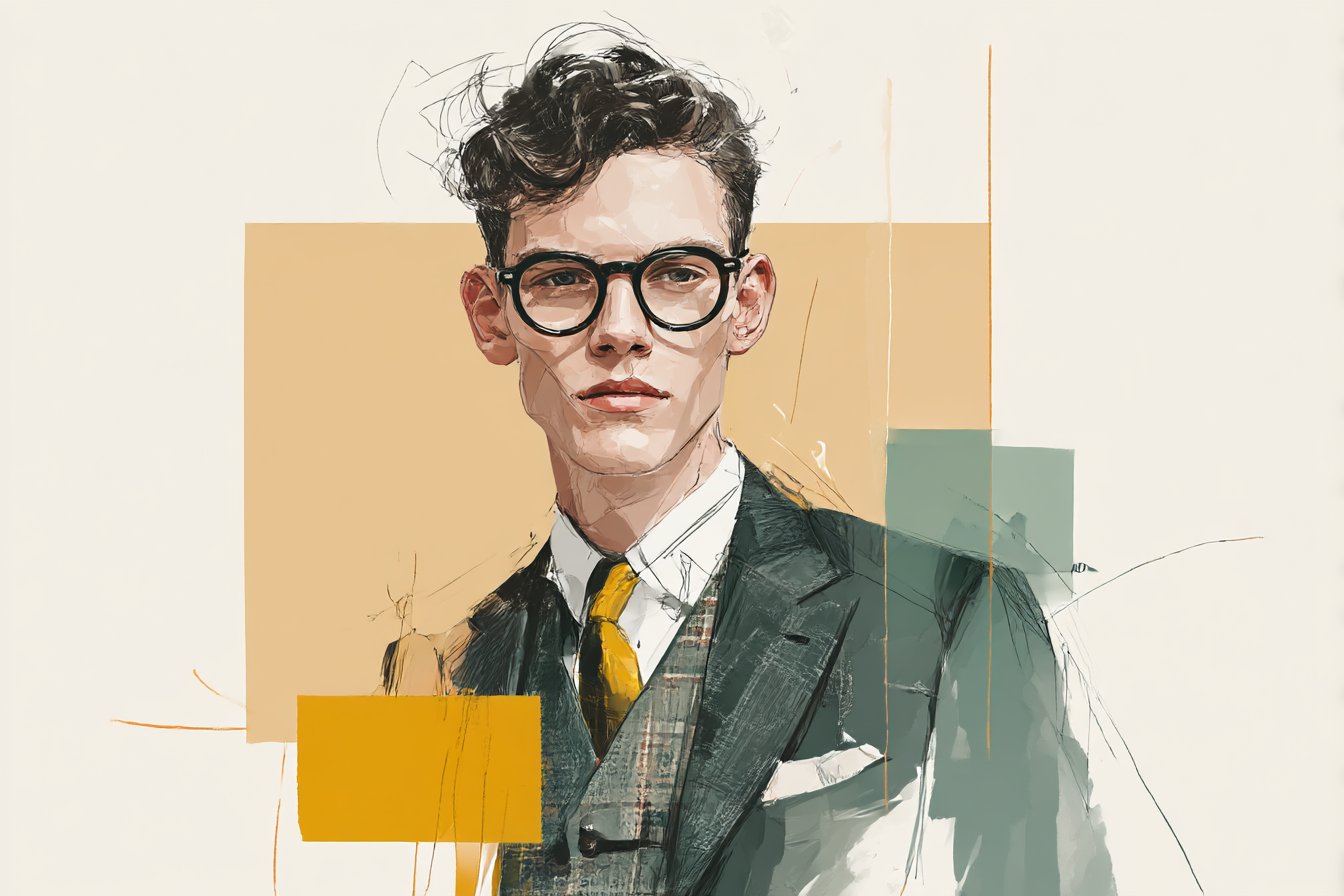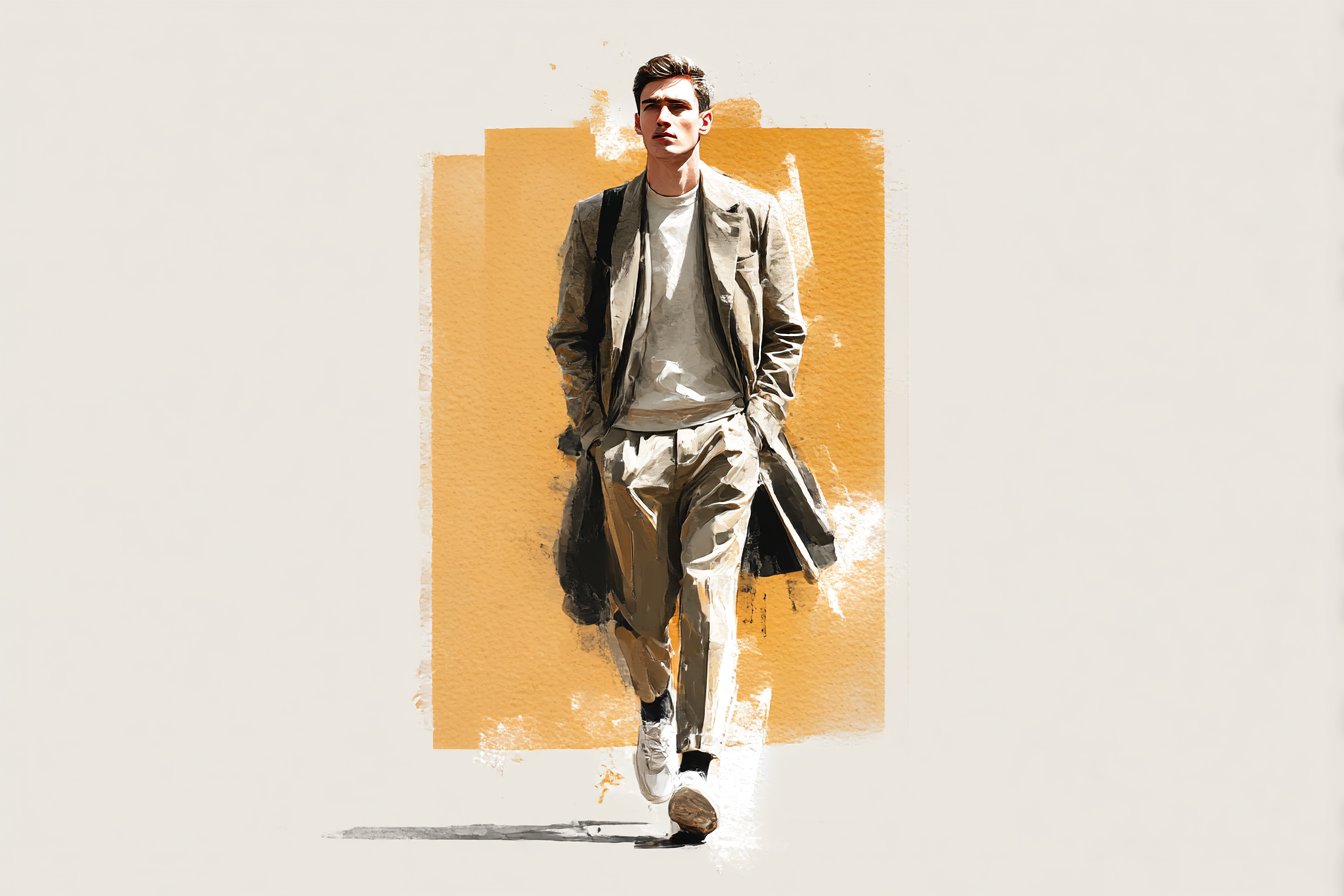
I’ll never forget when I realised British office dressing had changed forever. I was meeting Jamie for lunch near his office in the City one of those dismal half-empty return-to-work days late in 2021. Back before the pandemic this stretch of the south bank had been 100% suit-Italian-Leather-soled shoes-polka dot tie-lowest-orange-you-can-find-in-your-scarf-pocketable uniform banking central.
Dense corporate synchronicity the second you walked into any given office block. And then Jamie walked into the restaurant. And I didn’t recognise him.
No navy suit. No regiment tie with the obligatory hole where he tried to keep the stain from last year’s Christmas party under control.
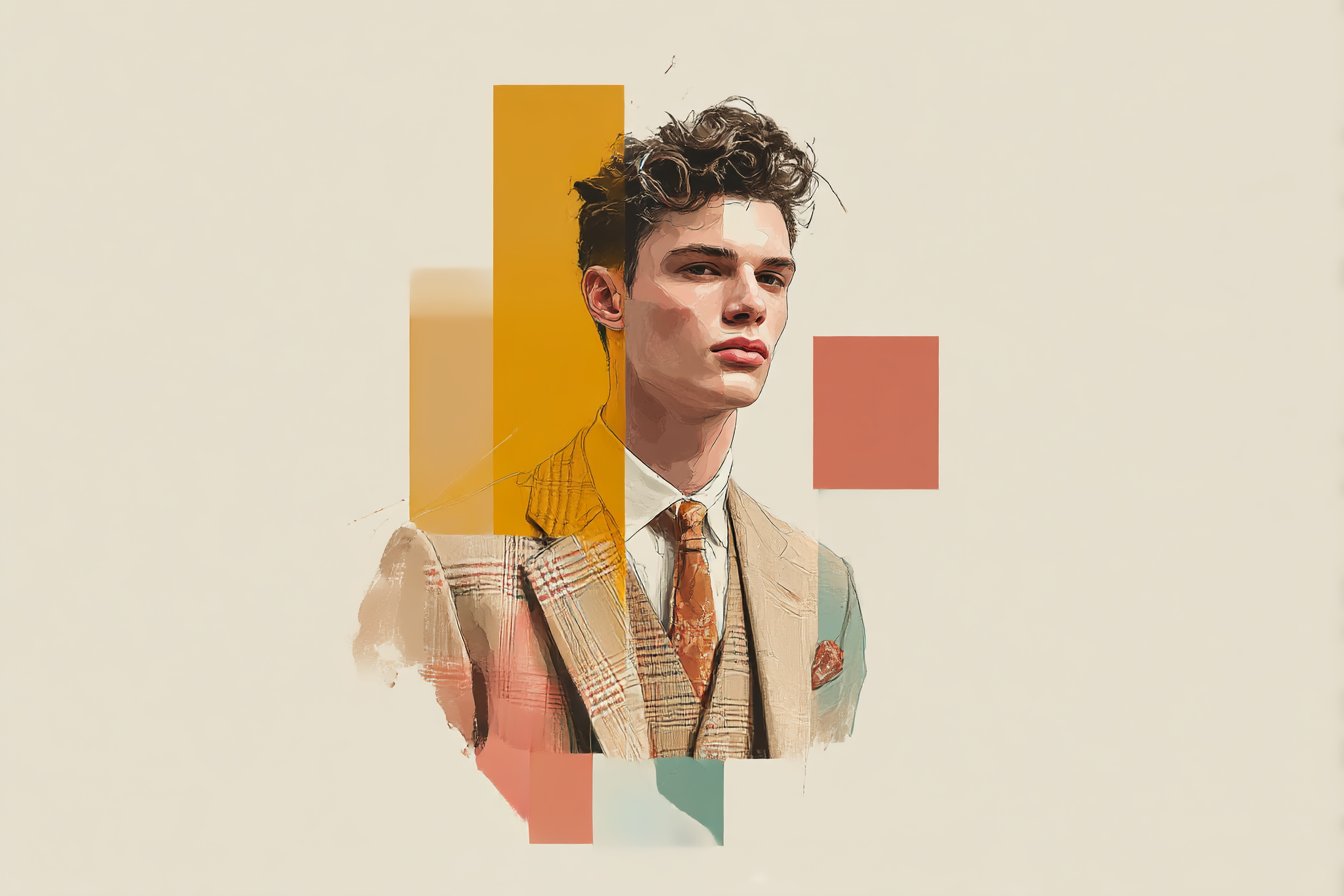
Instead he was wearing chinos.
A knitted polo shirt. And, I nearly spit out my sparkling water, suede loafers. With no socks.
In the City. On a Wednesday. “Oh,” he said, reading my slack-jawed expression. “Still wearing suits I see? God no one wears ties anymore, you haven’t been into an office for ages.
My MD showed up wearing a hoodie last week. Though admittedly it was cashmere so…” British office dressing pre-pandemic (“pre-C” if anyone is old enough still to say that) fell into fairly obvious categories. City = suit.
Creative industries = trying really hard to look like you don’t care what you wear but also sort of caring quite a lot. Tech = whatever wasn’t covered in sauce at your desk from the delivery guys. Regions within that had their own tweaks (Manchester agencies less dressed down than London ones, Edinburgh financiers dressing like Time moved backwards into the 19th century, etc) but if you saw a guy working somewhere you could pretty much guess what he did and how senior he was by how he dressed to do it.
That wasn’t Covid’s only victim. Pre-C (“Pre-COVID, why are you asking that”) professional wear had its own codes and rules. How wide was your tie acceptable?
Could your shirt have a button-down collar or did it need double cuffs? Were your socks quiet grey or boldly coloured? Nuanced sartorial politics that most of us would have navigated with ease pre-lockdown but which have since fallen by the wayside.
2020 happened. And then 2021. Clothes became WhatsApp voice notes about the dreaded Gatt-in’, Beebs glasses and whether your pyjama bottoms made the cut for real-life office wear.
Zoom bought us all a mullet – we looked like Adam unless we could trick the vertical screen into thinking our trousers existed. I bought so many Oxford shirts that looked sharp enough on webcam to warrant wearing tucked-in without actually having to sit through the too-short videos of myself where I could see my trousers. My colleagues had no idea I spent half my year running analysis calls whilst basically wearing beach shorts.
For millions of us British males suddenly thrust into working from home full-time, all semblance of developed style was ripped away overnight. Getting dressed for work used to be a simple, non-thinking task because you just defaulted to what your version of an office ‘uniform’ was. But scratch that away, and we were faced with the realisation that none of us actually had personal style.
We had clothes we wore to meet society’s expectations of how an accountant/financial analyst/marketing exec ought to dress. Tom from accounts realised he never actually liked wearing ties, he just did because everyone else in accounts had ties. Mark from marketing realised he only had two pairs of “proper trousers”.
Richard from IT discovered that his baggy t-shirts were neither funny nor graphic he was simply dressing like a lobotomy waiting to happen. Even I had questions. Being an aging journalist who spent years writing about menswear for various publications, the month of January 20twenty fucking one was a cacophony of panicked Gmail chats from pals wondering: “What do I wear to not look like a nonce in my house office?” (Answer: literally anything clean and not covered in FCP chants.) “Can I wear the same jumper I wore for the last two calls to this one?” (Let’s be real, pals.
You wore the same jumper for two days straight at university. Unless your mates are coming over for calls too, who’s even looking?) “I don’t need trousers at home do I?” Technically no. But yes.
You’re better than that. Men still needed to look presentable for meetings with clients, or video calls to their teams. But once the world started reopening and businesses invited actual living humans back through their doors rather than simply their Slack handles, menswear in Britain took one look at our newly won freedoms and… never went back.
Our first visit to the office together as consultants was the spring of 20twenty-one, a legal firm about a year into hybrid working and located in – yep, you guessed it – Birmingham. Always reliably preppy, I opted for cautiously casual: navy suit, no tie, leather loafers instead of shiny office shoes. Feeling decidedly chi-chi as I rocked up to meet the new team.
And then came the managing partner. Black jeans. Cashmere crew neck jumper.
Standardуй trainers*. I might as well have turned up wearing a onesie. *I was abroad when Covid hit and remained living under the French equivalent of Romantic Compass during subsequent lockdowns. My knowledge of men’s fashion pivots entirely on trainers that aren’t Trainers With Names, which will come up throughout this article.
Imagine Oliver’s Army on J Crew spring styles and you’ll get the gist. “Oh no one wears suits anymore except for client meetings,” he laughed, catching my overly formal look. “Trust me we used to be the same. Then Covid happened and everyone’s learned you can do your job from tracksuit bottoms just fine.” Offices had defaulted dress-casual. And change was coming.
Fast forward to 20twenty-three (year of leaking office towels, remember them?) and British men aren’t just dressing differently to how they did before the pandemic – they’re thinking differently about clothes and work in general. Work clothes feel more personal than before, but ironically considered in a way that five layers of non-questionable repressed urbane-street-clique conformity never did. Neckties: if you saw someone wearing a tie going into an office this year pre-2022 then congratulations, you’ve spotted Elon Musk’s dad*.
The biggest shift in office attire isn’t so much that nobody wears suits anymore (although neither Rich nor I wear suits to work on the regular, we both still own/like wearing them on occasion**) it’s that nobody wears ties anymore. In January I took a client to lunch in the financial district. An area so filled with ties pre-pandemic you’d have thought they sold shares at Parcel.
Three hours walking around Canary Wharf. Seven ties spotted. All on men who were either required to wear them for court later that day/tickled over sixty.
A replacement has emerged though: the smart collar. Dress shirts still exist, they’ve just been liberated from their top button and now probably have the top two undone at most. Knitted polos have stepped into the void left by the absence of ties (not dad golf shirts with the Liverpool FC logo on we promise, these are sleek high gauge knits in merino wool and cotton silk blends that you can basically wear under a blazer and no one will think you’ve lost a sock.) Which brings me onto blazers.
These beloved quilted menswear homunculi have officially usurped suits as the go-to “I tried today” workplace garment. Not bulky padding with shiny buttons that say you’re skimming donations from the sailing club ice bucket on Saturday though. Think unbelted, unstructured or half-lined blazers in heavier fabrics and richer colours.
Green. Brown. Even (gasp) patterns.
Whether with chinos or jeans, the modern British office blazer provides an air of effort with way more lifestylepunk™ attitude. Suits haven’t died, they’ve evolved instead. Pre-pandemic British men wore suits because it was easier than thinking about what jacket/shirt/trousers combinations looked smart.
They didn’t have to fit the jacket to their body individually and suddenly why faff around with four items when one does the same job?! Now, British men who wear suits to work tend to actually want to wear suits. Either they have a client meeting where an entire suit is genuinely required or – post vest size expansion for many of us – they enjoy wearing suits and make sure they get tailored ones that fit as a result.
Brighter colours, slightly less slim cuts, interesting textures and material blends are far more common these days. You’ll also spot suits paired with unexpected clothing items; minimalist trainers, plain white t-shirts, denim shirts with a blazer and chinos rather than the full suit package. We’re also not all wearing trousers to work anymore believe it or not.
Pre-lockdown the average male office drone had about seven identical pairs of suit trousers they rotated through because… why pick a favourite? Now jeans (smart ones, the dark wash kind without the holes and bleach spots) are acceptable in many offices alongside chinos in colours that aren’t just sand, olive or grey. Rich’s pal Marcus set up his own tailoring biz in Leeds during lockdown (hi Marcus!) and tells me business in bespoke denim has rocketed since customers who’d once order three suits a year are now opting for one suit and a couple of pairs of nice jeans instead. “They all say the same thing,” he laughs. “Make my jeans as nice as my suits would normally be!” Trainers at the office.
The biggest cliché to ever cliché in menswear has officially become Menswear’s New Normal™. Pre-pandemic you changed intoyour Office Shoesat the office door like some kind of suburban Broad Church vicar. Now not only are trainers acceptable but openly wearing a flavourful brand is a tacit signal to the rest of your team that you’re part of the in-crowd.
Ah, who am I kidding you wear what you want Travis, stop lumping judgement on people who have nothing better to think about than your dumb shoes. * The modern gentleman’s office trainer isn’t some garish Romhuelse collection full of obnoxious branding and embossed swirlies on the heel tab. Think low-key, mostly monochrome styles from premium streetwear collections. And despite initially being vilified by certain sections of theBritish press asking fair questions about their ownership in the office will get you less judgment now than wearing a tie these days.
Common Projects, Axel Arigato, Zespa et al. have become the de facto menswear uniform of post-pandemic Britain thanks to their minimalist designs that sit comfortably between smart and casual. Designed as dressier alternatives to daily gym trainers, white leather trainers with a suit as Rich discovered are no longer fetishistic futurism – they’re officewear. Loafers had to evolve given how many of us now reserve lace-ups for the weekends too.
While British men were previously warned away from them for being “too Italian” or “not trouser-friendly enough”, loafers have flooded into our work attire wardrobes to fill the gap between formal and TOO DAMN CASUAL. Penny loafers, tassel loafers, horsebit loafers. Anything that removes having to tie shoes but doesn’t send the subconscious message to your staff that you just came from a gym session.
Aside from the specific articles of clothing men are wearing into offices across Britain has changed too. Pre-pandemic uniforms of white shirts, ties, jackets and trousers had little room for self-expression beyond funny socks, quirky ties, and slightly more fashion-forward cuts with suits. The last two years have allowed men to revisit what they wear to work with a clear headed perspective that doesn’t rely on “how can I blend in” mentality we once had.
Old university friend Vijay has spent years working for one of the Big Four accountancy firms. Pre-pandemic his work uniform consisted of suit, white shirt, neutral tie, black leather shoes. A variation on the hundreds of millions of other white-collar workers who viewed offices as dress-up days. “Before I never gave much thought to what I wore to work,” he says. “I just wore boring clothes in colours that wouldn’t stand out.
The pandemic made me realise that just because I’m at the office, it doesn’t mean I need to wear a suit and tie. I actually enjoy getting up and thinking about what to wear now.” His go-to work look? Richly textured knitwear, tailored trousers, and occasionally playing up his Indian roots with brighter colours or prints.
Not dressed down at all, just a far more considered, personal approach to what he wears nine months of the year. Not everyone has found that revelation liberating. Without defined guidelines some men struggle with the lack of binary “do this, not that” rules we once had.
I have another friend (hi Tony!) in commercial property who still wears suits most days not because he has to but because he honestly doesn’t know what to wear otherwise. “Sometimes I look at Rich or Tom and worry I’m wearing the wrong thing,” he admits. “Other weeks I wear a suit every day because it’s easier.” He now keeps a blazer at work he’ll whip on if an impromptu meeting is sprung on him so as not to look under-dressed. Men are also dressing differently depending on where they work now too. Pre-Covid City firms that mandated proper suits have since settled at blazers and trousers as the minimum daily dress code.
Creative agencies that probably didn’t needed loosened their guidelines even further than most. Regional divides still exist, they’ve just widened to accommodate far more styles in each bracket than previously. So yes, the rules have changed but there still are rules.
Even in our newfound bastions of casualFriday-everyday some standards remain. Interviews with British companies that once required three-piece suits will now often settle for you showing up in jacket and trousers. But they’ll be assessing you on how well those two pieces fit as well as their quality just as much as before.
Are your shoes shiny?
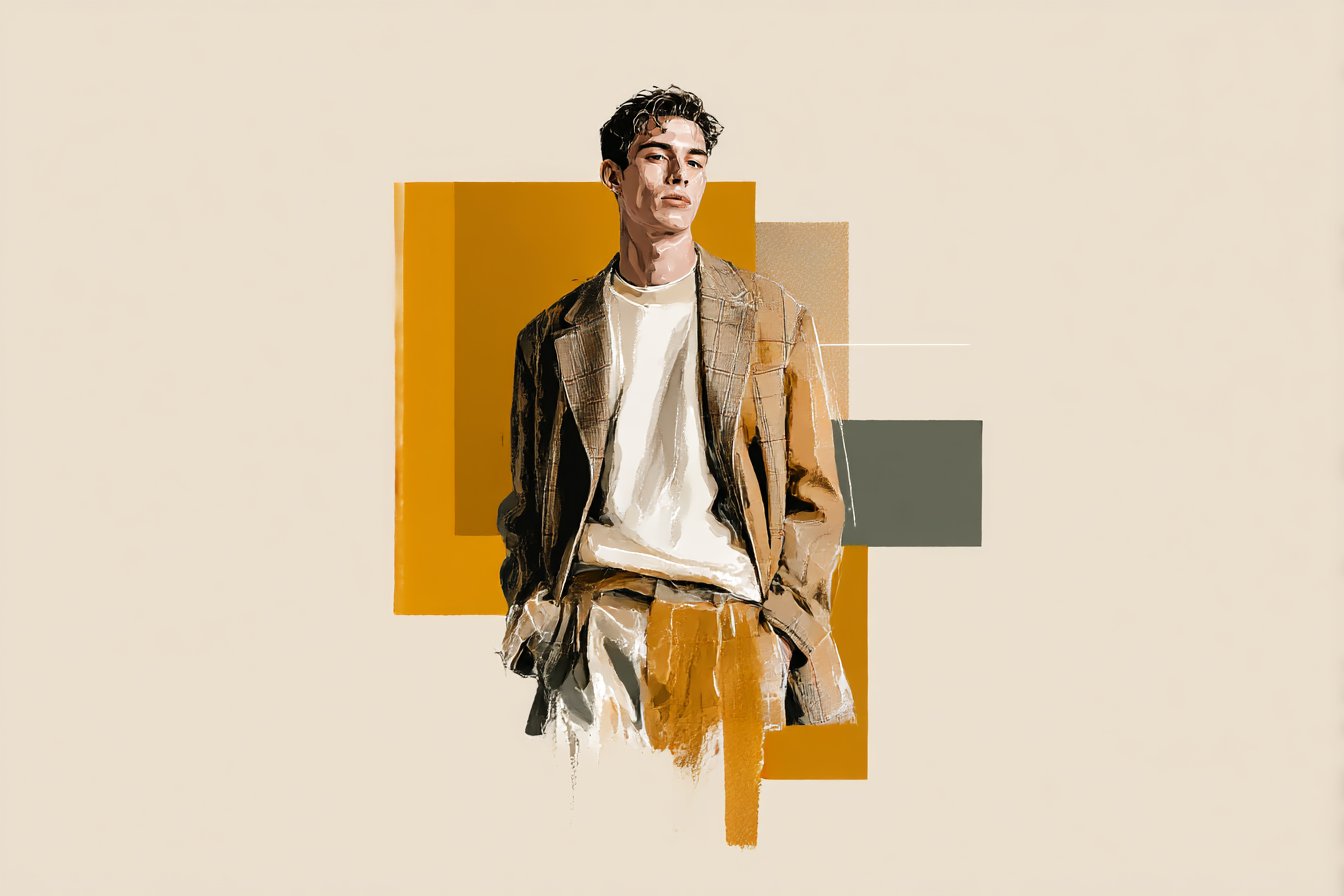
Do you look like you actually iron your shirts? Is your waist actually this skinny?
Guys are dressing with more intent now clothes-wise than before because there’s far more grey area than outright Yes/No statements on what you can and can’t wear. The modern office still has a dress code; it’s just a more nuanced version than previously existed. Business casual might have replaced business suits as Britain’s new office style safe ground but the rules on navigating its expectations still apply.
Dress like you put some thought into what you’re wearing that day, even if that’s just cleaning your trainers so they don’t look like you’ve stolen them off a refuse worker. Loads of you asked what Rich and I wear to work these days and like London weather, it varies. The big take away from how we dress compared to how we used to is that we actually enjoy thinking about what we’re going to wear now rather than seeing it as a chore.
Mine floats between well-cut separates (jackets and trousers), the occasional suit when I feel like it, and an expanded range of those “smart-casual” clothes we were told to avoid in offices prior to late 20twenty. We’re allowed to be individuals at work now. No, we didn’t need suits and ties to feel professional before the pandemic – life just tricked us into thinking that was the case.