
How many pairs of jeans do you own? I recently found out I had a denim problem. I knew I bought too many jeans – but when the owner of what I’ll politely refer to as “an extremelynicelocationinsouiawhere denim shopsarenota gloria jean’sforced me to clear out a whole hangar of closet just so I could fit my latest Japanese selvedgejeans obsession” (translation: stupidly overpriced shirt-coatedwhaleofsakethat Ididn’trealforgotaboutbecauseitisfromJapan obsession) I decided it was time to do some counting.
It was a depressing realization: Twenty-seven pairs of jeans. 27. Too many to fit in my closet without some serious Marie Kondo-ing, and way too many that are essentially functionally interchangeable.
If I was being generous I could probably group them all into about five categories – dark jeans I can dress up if needed, lighter washed jeans, super skinny jeans, bootcut jeans, and light jeans I only wear when it’s technically not summer but warm enough that jeans don’t feel like a drastic temperature change – except for the fact that I owned multiple pairs in each category. Light blue jeans I can pick from? Nine.
“Whoa whoa whoa, hold the phone,” I said aloud to my empty flat.

My cat stared at me blankly, but I choose to believe he was disgusted. The person who writes about how you can thoughtfully edit your wardrobe to reducedecision fatigue somehow has enough jeans to outfit an NBA jerseysale sample room.
What does that even say about me? It’s the denim equivalent of the doctor who smokes. There was a problem, and I intended to do something about it.
I sent a group text to my five denim Illuminati – the pattern maker for an American denim giant, the buyer who stocks all the Japanese denim at your favourite store, a vintage denim seller whose clients have included Ralph Lauren, the East Coast’s preeminent denim fixer, and the owner of the best denim store in America (no contest – he’s just that good), who also happens to live in the middle of Iowa – and asked each of them the same question: If you could only own three pairs of jeans for the rest of your life, what would they be? For reference, these are people who, collectively, own enough jeans to start their own Little House on the Jeanson clothing line. Jealousy wasn’t motivating me to edit down – I actually wanted to know what they would consider the platonic ideal of a jeans wardrobe.
What I learned shocked me. See, as it turns out, denim experts don’t actually wear all that many different jeans. We spend all our time thinking about selvedge versus non-selvedge denim, witnessing nano-percentильник whispers of next-season colour washes before they officially launch, and deciding whether those whiskering lines truly make an imaginary difference in our perfectly good “straight fit” jeans that don’t actually need to be faded out more than they already are.
Meanwhile, my five denim heroes could probably fit their entire collections into my current closet – and feel confident doing it. Despite having easier access to rare denim than any other jeans wearer on the planet, they all came back with reasonable answers. Four of the five could get by with as few as two pairs (with a third serving as options for specific occasions like weddings or, crucially,barbecues ).
And there was broad agreement between all five about what is important – and just as crucially, what isn’t – when it comes to determining the one type of jeans you should own in multiple pairs. “I honestly feel like most guys are overthinking jeans too much,” said Mike Falkner, who runs Dimensions Denim in – wait for it – Newton, Iowa. His store may be lost deep in the cornfields, but it has since become something of a mecca for jeans obsessives who make the pilgrimage to snag hard-to-find vintage styles and domestic spins on Japanese classics.
“I’ve been wearing the same two styles of Levi’s for fifteen years. Sure I have other jeans, but they’re all just me looking for a reason to buy something new.” Turns out, this looking-for-a-reason-to-buy-newjeans obsession drives a lot of what makes the modern denim game so complex. Jeans were once work clothes, and though they’re now firmly established as wardrobe staples, we’ve somehow made them fashion’s newest subdivision.
There’s entire lingo devoted to jeans alone (slub? selvedge? roping? honeycombs?) not to mention all the fringe fandoms within that: the people who only wear Levi’s, the dudes who won’t wear anything but¥9000 handmade jeans from Japan, and everyone else who falls somewhere in between. Maybe that expensive Japanese stuff is worth it. But maybe it’s also not.
Should you spend $40 on a pair of jeans? Absolutely. Will they look and feel almost exactly the same as the $600 pair of hand woven denim your favourite online denim blogger just raved about?
Probably. Does it really matter? Not especially.
Despite all the options and info at our fingertips, you can still win at jeans by keeping it stupid simple. Both dark blue jeans you need to potentially dress up for work/special occasions and the light-wash jeans you probably wear on weekends and holidays don’t need to be anything fancy. In fact, they shouldn’t be.
But what does that mean, specifically? “Keep your everyday dark jeans as minimal as you can,” Sarah Chen, who helps design patterns for a brand we all know but won’t be named here (they don’t allow their employees to speak to the press) told me. “No orange stitching, no crazy abrasions or shins, and definitely no patches with the brand embroidered on them.
You want them to be as dark of a blue as possible so they look less processed and can pass for trousers with a sport coat if you really needed to.” But again, fit is what’s most important. The recommendations for what to look for in a tailored pair were simple and universally agreed upon: straight legs or a slight taper starting at the knee, with a mid-rise that fits – you guessed it – at your actual waist. “Aside from straight leg jeans being timeless, low-rippedSkinny jeans are justunflattering on everybody,” Chen added.
“Don’t let instagram influencers ruin your jeans-shopping experience.” If your dark pair of jeans fits this description, you now have jeans that can get you through about 90% of your casual wardrobe. But what about that other 10%? Well, for your weekend-warndenim, you can finally let loose a little.
Maybe get a faded blue with whiskering (those horizontal fade lines across your hips), or even go with lightly distressed denim if that’s your bag. Just, all of my experts cautioned, stay away from jeans that look like they were used to clean the lint out of a tiger’s cage. “Pre-washed jeans that look worn already are trendy, but actual wear and tear is unique,” Alex Miller said, who runs his own vintage denim dealership specialising in rare finds for collectors and designer teams alike.
“Things people actually wear naturally develop wear patterns that tell a story. Pre-distressed jeans are aggressively stylish jeans that were never worn by anyone. A half-truth.” * See what I mean about these guys?
They love jeans almost as much as I do, but at least they know when to stop. Jeans that autumn into that casual, weekend-only category can have more personality, but stick to classic fits and readily available brands. Before we get into everyone’s recommendations, I will say I was surprised by just how mainstream some these answers were, especially since all five had access to high-end domestic and Japanese brands I can only dream of.
Sure, there were expensive suggestions in the $300+ range, but Levi’s was the single most recommended brand by jeans experts who can buy anything they want. As far as the dressier dark blue jeans you’ll wear 75% of the time go, three different people recommended the Levi’s 501 in a stiff, unwashed blue – yes, the exact same basic jean that’s been around since your grandfather was in elementary school. “Levi’s 501s are the foundation,” Miller said.
“Everything else is built around their silhouette, rise, and fit. They’re also tough as hell and can last you forever if you care for them correctly.” One step up from that – the investment version of your core dark jeans – all of our experts recommended was Iron Heart’s selvedge 21oz straight jeans. Literally every single one of them mentioned this $350 jean as the “Iron Hearts are great but too rich for my blood” alternative to plain jane Levi’s.
“They’re jeans you could theoretically wear every day and not replace for decades,” one advised. Both of our experts who recommended them described them almost as investments, not fast fashion. For your weekend jeans, the recommendations were a bit more varied, but still classics all around.
Two guys mentioned Levi’s vintage-inspired 1947 501 model (they taper down slightly more than a traditional Levi’s 501), while Full Count’s 1108 model was suggested by the denim repair guru as “the perfect halfway point between being authentically constructed but still not feeling like you’re wearing a blanket.” But perhaps most shockingly? Two experts threw a Wrangler in their recommendations, naming the 936 slim fit boot cut as an under-appreciated classic that feels just as authentic as Levi’s but with enough style difference to stand out from a sea of identical Riveter jeans. “I honestly think most guys would be just fine with a pair of Levi’s 501s that are brand new but haven’t been rinsed or dyed yet and something slim or slim boot cut from Wrangler,” Falkner said.
“That’s two companies, under $150 for both if you keep an eye out on sales, and you have jeans for everything from casual Fridays to running to the store on the weekend. Beyond that you’re just collecting jeans at this point.” *Spoiler: He was talking about me. We all have regrets.
Speaking of price, there was another surprise when I asked how much you actually need to spend on jeans. Even these denim-focused experts don’t feel you need to spend over $200 to get a great pair of jeans that will look good and last you years. High-end denim exists for a reason, and these guys collect it.
But when it comes to recommendations for what you should wear every day, I wasn’t hearing anything north of $180. hell, most suggestions fell between $80-$180. “There’s a reason most high-end jeans start at around $200,” Jonah Lee told me. He imports Japanese denim for several American brands, and has decades of experience exploring the world of jeans that would make your head spin.
“You’re really paying for things like hand stitched details andconstruction that utilised looms no longer manufactured dont matter to most people. They create jean that are better than 90% of what’s out there for sure, but the margin of improvement past that point is razor thin for the casual wearer.” Which isn’t to say that you shouldn’t buy a pair of $800 jeans. If you love something and wear it everyday (hey, Timbs broke the internet for a reason) it can definitely be worth it.
But if you’re looking to justify that purchase to yourself, keep looking. “I have Iron Hearts that I bought ten years ago for $600,” Eric Willis told me. He runs Fat Pony Vintage, and his Denver-based jean repair shop has probably saved more trousers from the trash than any other service in America.
“With good care they could last another ten. That’s $60 a year for a pair of jeans. You can’t beat that, even by shopping at Costco.” Finally, I asked all of them about fit.
And sure enough, we can all agree that the frighteningly skinny jeans era of menswear is (thankfully) over. But that doesn’t mean hitting the extremes in either direction with skinny jeans or the huge, sandal-friendly cuts we’re seeing these days is any better. “Classic straight leg or a small taper starting at the knee has been around for a reason,” Chen said.
“Denim that is aggressively skinny or excessively baggy will go out of style, and those jeans aren’t going to transition with you. Live in the middle, and you’ll always be stylish.” Rise was another point of agreement. All five recommend ditching the stuff at your hips in favour of high or mid rises that sit firmly at your natural waist (hint: it’s higher than you think most jeans actually sit).
“Low-rise jeans make men look like they have short legs and long torsos, which is flattering on literally no one,” Miller added. “A high waist actually fits better when you sit down too, believe it or not.” Colour-wise, the general consensus was to stick to true indigos and avoid anything that looks overly processed for your everyday jeans. “A dark rinse wash in an honest indigo is like the nice navy/blue suit of jean worlds,” Lee said.
“It won’t look too loud or bright, and since it’s so dark you can wear it year round.” For the faded blue weekend pair, all of my experts recommended something in a medium blue wash – one year worn in look – from the jacket store than anything with heavy sanding or outright holes. “Jeans that look like they’ve been worn for a year or two are the most versatile jeans you can own,” Willis said. “They won’t look too new to wear with a plain white tee, but still won’t look sloppy with something buttoned up.” Okay, but what about black jeans?
Because guys love their black jeans. Funny enough, two of my experts said you can easily substitute black jeans in place of your dark indigo pair, depending on your line of work and overall style. “If you’re in a creative industry in a big city, go ahead and wear black jeans as your nice jeans,” Chen said.
“They still work for most occasions but have a slightly more modern feel than indigo.” After wiping tears of laughter from my face (Falkner really does live in Iowa) I got to work. I piled all my jeans on my bed and really examined each one. How often had I actually worn it?
Did it align with anything any of my experts suggested? Was it just something I bought online while drunk one night? A pair of jeggings that probably can’t even function as jeggings anymore?
Gone. That RRL I bought to feel fancy but always feels worn out? Gone.
Time to trim the fat. I ended up keeping twenty-four of my jeans. The other three went to donation or consignment, and I cleared out enough closet space to store my backup scarf collection.
But here’s the thing: Of my now MUCH more curated collection, only about four jeans would be approved by my experts. The rest? Trousers I didn’t need.
Trousers I would wear instead of those four pairs just because they were slightly different. Okay, fine. One of them was covered in top stitching just because Giant Evil Turtle embroidered it on there.
But you get the idea. I know what you’re probably thinking: Jeans shouldn’t have to be this difficult. And honestly, guys with far more expertise on the subject than me would agree with you.
But here’s the thing: Those guys also have enough jeans to outfit an NBA starting lineup. The rest of us don’t need that much variation in our wardrobe. Hell, as it turns out, we don’t even need that many jeans.
When it comes down to it, there’s a reason your favourite jeans experts stick to so few options on a daily basis: They know what works. They’ve had access to way more jeans than you will ever be able to afford, and they can tell you without a doubt that most of it isn’t worth your time.
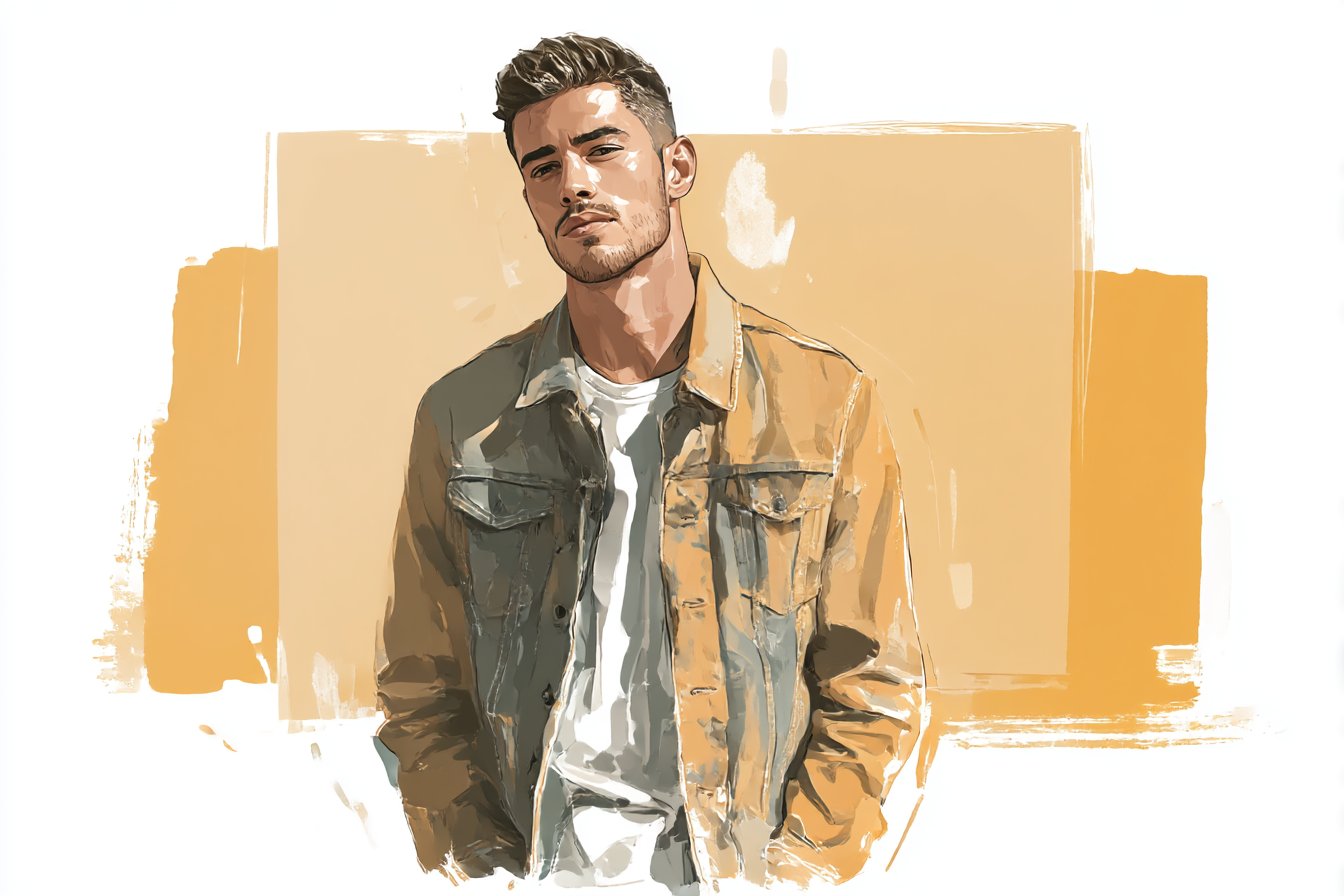
You don’t need every option; you just need the right ones.
“Wear two pairs of jeans you actually love and that fit you really well,” Willis said. “Everyone else can stop talking about jeans for a while.” I’ve been guilty of buying too many jeans before. Heck, I’m kind of doing it again as we speak – all gear no wear.
But talking to experts in the space who’ve seen literally every type of jean made in the last century helped me see my collection for what it really is: Too many options hiding the two or three pairs that truly belong in my wardrobe. Maybe you need seven or ten pairs. Maybe you really do need fifty.
But chances are, you could scroll through this whole article again and still own fewer jeans than a denim obsessive who has spent their entire life surrounded by nothing but. So listen to the experts – I mean, really listen. Simplify where you can, and stop sweating the small stuff.
When it comes to jeans, you really do need fewer than you think. You just have to know what you need.


