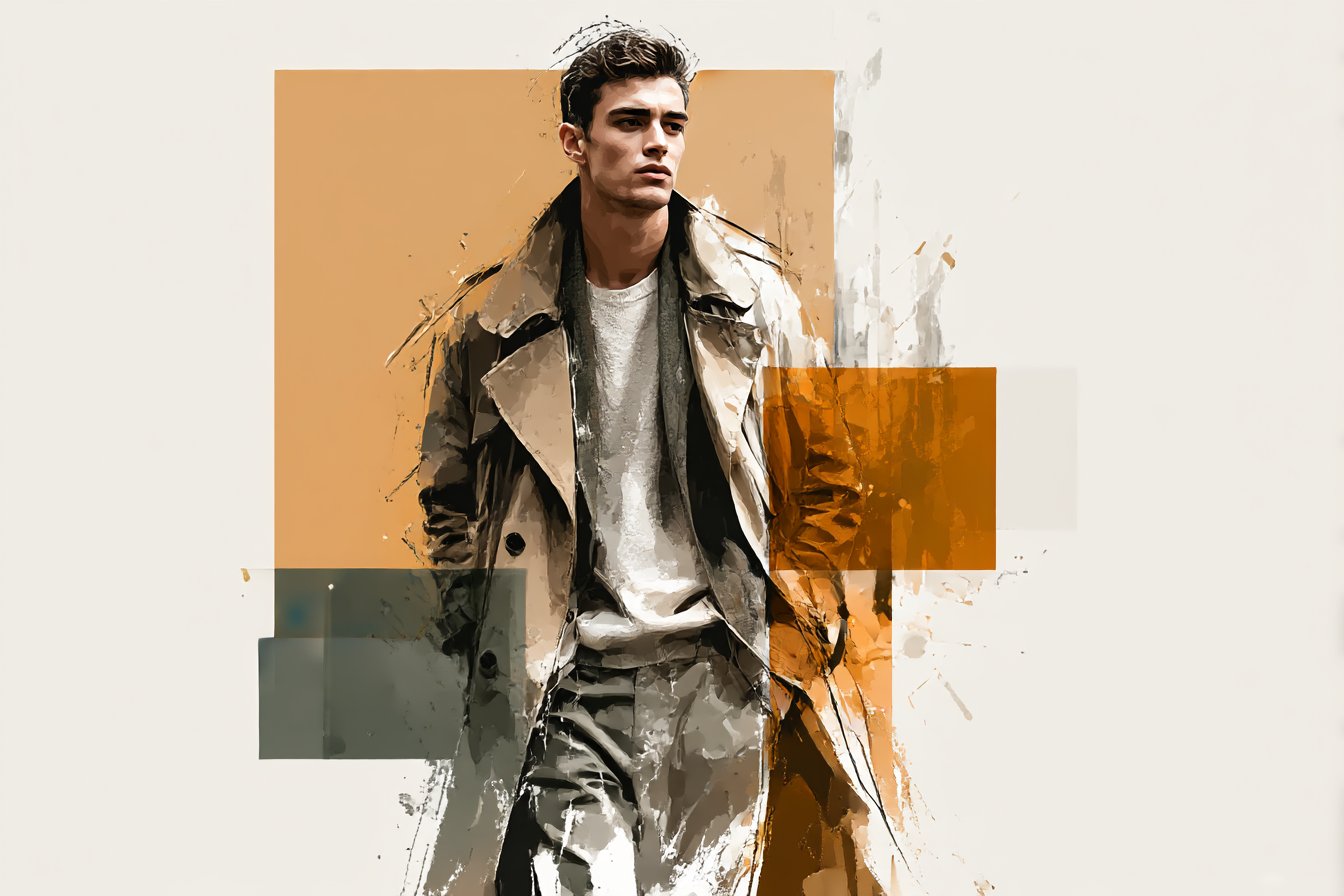
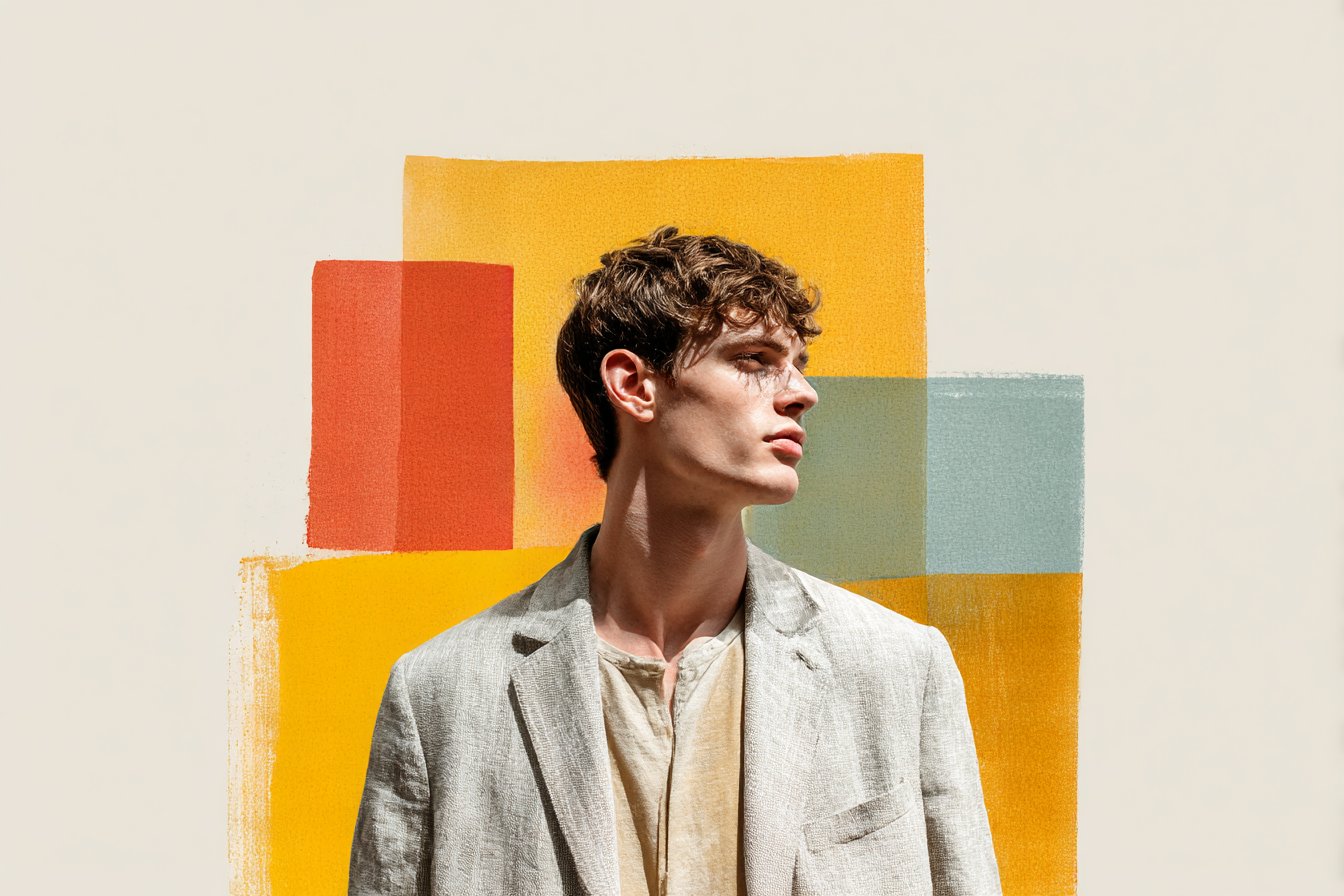
The first time I attended London Fashion Week wearing something that passed for business attire – I’d actually managed to acquire press credentials by this point rather than bumbling about as a shamelessly overdressed blogger – I nearly herniated a disc tailoring myself to fit into my chosen outfit. It involved purchasing an outrageously priced vintage Helmut Lang blazer that now serves as a jacket-shapeddepositedintoanon-interestaccount at my local bank, a cryptically worded Japanese watch I borrowed from a friend who works at MR PORTER, and styling my hair so that it looked as though I’d spent hours awake at night purposely trying to bedazzle society when in reality I just threw it into a disheveled clump and called it a day. By the end of the fashion week day I looked like a distressed chicken waving its arms about frantically while trying to exorcise itself of all of its feathers.
Frankly, I looked fabulous – if fabulous means drinking yourself into oblivion because your ensemble is so badly conceived you can’t sit down for fear of wrinkling it. To say that presentation mattered to me would be an understatement. So, when I clocked Michael, menswear editor of one of Britain’s most prestigious fashion magazines, I marveled at how nonplussed he looked.
Michael, someone I’ve quietly idolised ever since I started work in menswear, was wearing dark jeans, a navy cashmere jumper with a plain t-shirt underneath, and worn-in Common Projects trainers. It was practical, appropriate, and infinitely relaxed.
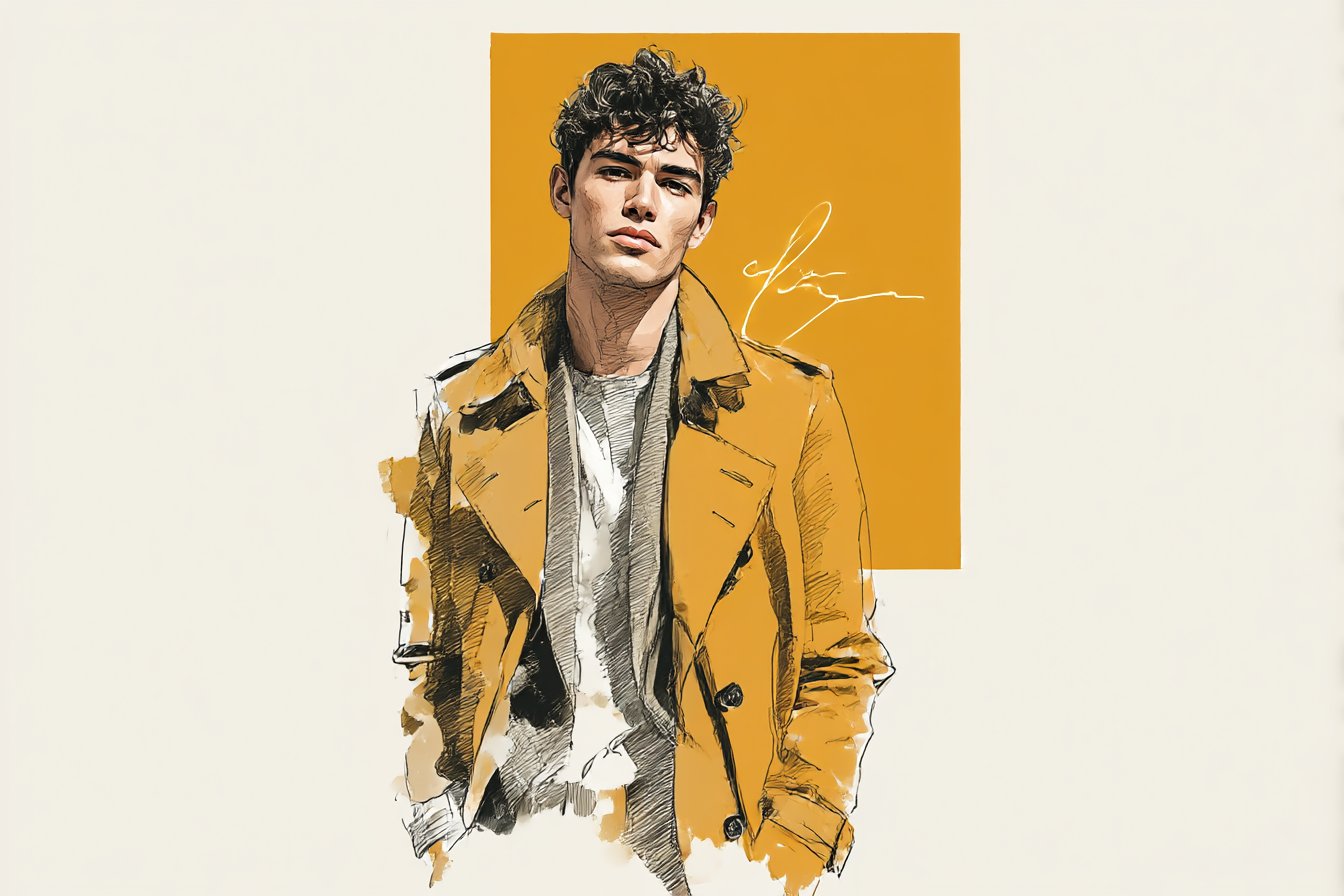
He wasn’t trying.
And honestly? He looked great. Turns out that’s the thing with British fashion editors – what they wear to shows is almost never what they wear on the rest of time.
Fashion weeks are spent peacocking – it’s a hobbyist pastime at this point – but for most, what you see on the street is just that: what you see. They wear costumes. Clothes are the armour they put on to do their jobs, and just like any uniform it allows them to channel a particular version of themselves without needing to worry about individuality getting in the way of professionalism.
Think of it as their sartorial game face. It’s also why so many writers have a special notebook and why my accountant probably has some kind of bespoke calculator that I will never know about. In the same way that the outfits don’t transition beyond Somerset House or The Peninsula London, neither do their personal wardrobes tend to make the jump to the front row.
I’ve worked with, interviewed, and, ahem, stared silently at Britain’s fashion editors off-duty for long enough that I’ve noticed some interesting trends. Fashion editors – generally speaking, anyway – tend to wear an informal uniform when they’re not at work. It’s uniform in that they generally stick to a similar formula when getting dressed and will frequently wear the same brand of shirt, trouser, or shoe time and again.
But it’s also their choice of uniform, which means they can (and do) make it as interesting or as boring as they want. Quality basics are the bedrock of nearly every editor’s wardrobe. Despite popular opinion that fashion editors wander home from shows and immediately order head-to-toe copies of the latest collections via direct rail to their front door, that simply isn’t true.
Not remotely. They can (and do) afford to buy entire runway collections on a whim if they want to, but just because they can, doesn’t mean they should. Case in point: these off-duty outfits below.
On weekends, off lunch dates with friends, or simply when running errands, they favour shirt dress, jeans, and trainers combos that feel effortlessly together but are actually the result of years of curating their wardrobes. They lean heavily into amazing tailoring and garments that speak to their personal style – details that might not be obvious unless you know what you’re looking for. Sarah, for example, who edits the women’s fashion portfolio at a big British title, lives her work life/life itself balance.
During fashion month you’ll spot her pieces that mixmaster Rosie Boycott would approve jackets, statement sleeves, shudderingly big coats, and the kind of haircuts and avant-garde accessories that ensure she’s picked out at least twice on any street. Outside of it, she probably won’t change out of black jeans (they’re almost always Jean Ône or Hitopier), a vintage logo tee, and an oversize shirt. Her go-to jackets are always ace – a vintage Jil Sander prognosticator or modern A.P.C. replica – and she’ll accessorize with cool jewellery or a fun pair of glasses.
Her work in fashion will inform her outfit – she has great taste – but that’s her only obvious crime. Same goes for her male counterparts, who will often wear iterations of the same outfit on weekly basis with only slight alterations. My former colleague and longtime men’s fashion editor James doesnt wear loafers and jeans with a blazer like he’s about to attend a business meeting.
You Might Also Like
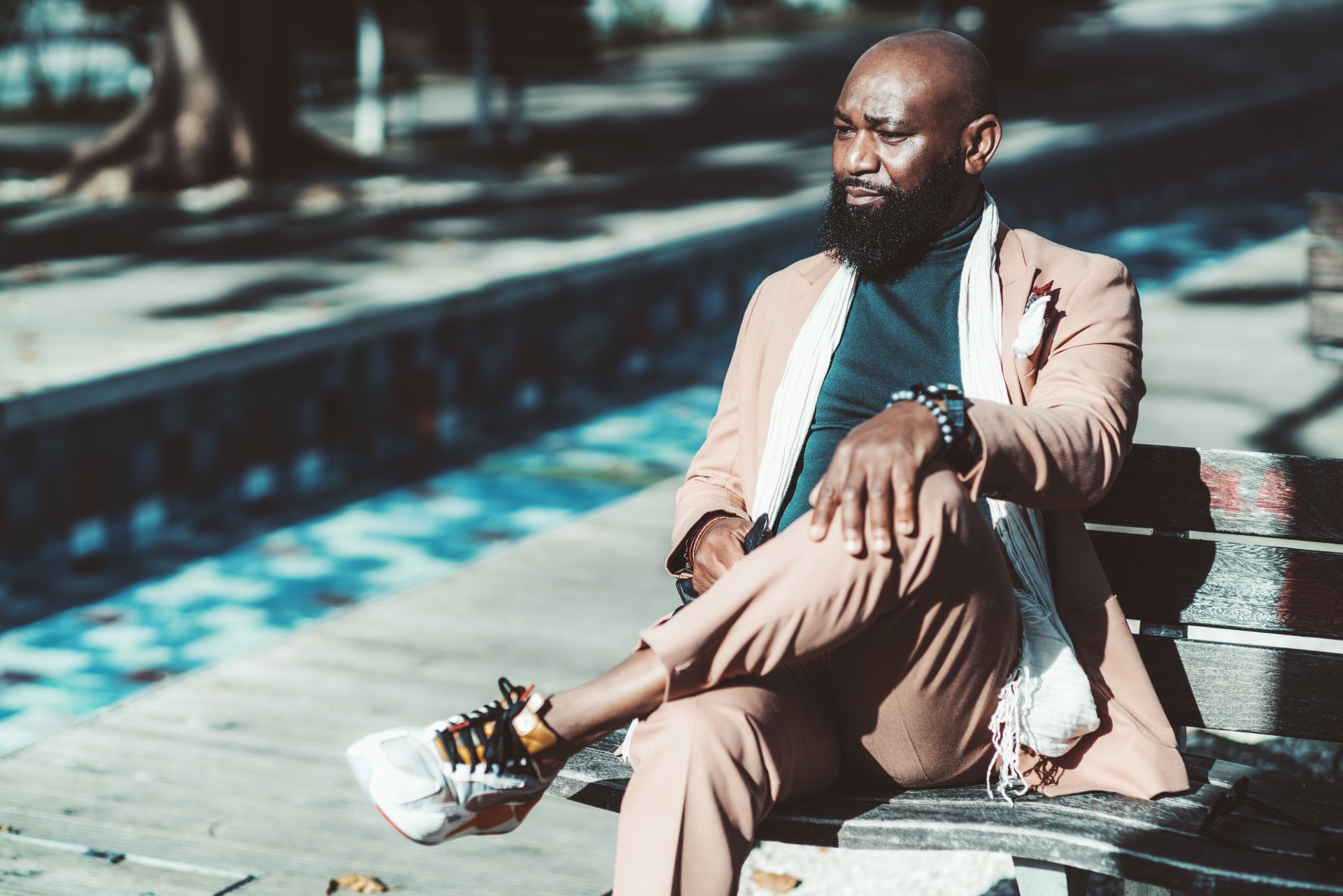
He wears loafers and jeans with a blazer because that’s what he enjoys wearing, and happens to look amazing at it. Years on from starting work in fashion he’s perfected the uniform of slim-fit chinos (charcoal or navy, usually), an oxford shirt that looks borderline everyday until you realise how meticulously they’ve rolled their sleeves, and a pair of trainers or suede desert boots. Maybe he’ll wear a cool belt or watch, but for the most part his outfits are too considered to spell out “I WORK IN FASHION” with giant flashing neon letters.
Honestly, if I had to guess I’d say their preference for boring Actually What I Like Wear is because it saves them thinking about what to wear. Having a uniform not only makes getting dressed easier, but creates an almost blank canvas when it comes to putting together outfits. If they’ve spent the past month tormenting themselves (and me) rummaging through piles and piles of clothes for shows, they’ll probably want to wear as little of those clothes as possible when they return to the office.
Besides, every fashion editor I know loves op shopping and has plenty of treasures hiding in their homes that you would never guess based on what they wear to work. Oh, and brands? The brands that come up again and again in my research (research being a very fancy word for “staring”) are often resale regulars for one key reason: they know these brands actually fit.
Yes, Margaret Howell is basically their uniform, but Howell consistently – and quietly – delivers when it comes to tailoring that fits British bodies and withstands the test of time. COS is similarly prevalent, as are Loewe’s ubiquitous puzzle bags and quietly high-quality leather goods. I’d argue that many fashion editors are British shopping natives, leaning into brands that have been serving them well long before they began working in fashion.
But who knows? I could be way off. One thing I will say, however, is that comfort is key.
Every fashion editor I know would happily live inside their Assaad Pivery shirts or BDCHAN cubes if they could. Spending all day, every day thinking about and surrounded by clothing means they know what works and what doesn’t. If they can splurge, they splurge on coats.
Buying a truly great coat that works with everything is a lifesaver when you hate getting dressed but need to look presentable. British weather is also wildly unpredictable so you never know when it’s going to rain/turn really bloody cold. It’s nice to be nice padded jacket ready.
Most importantly, they know their limits. Cheap shoes are frowned upon when you live in cities where you’re constantly pounding the pavement. They go through a lot of Common Projects, their Grenson brogues, Church’s loafers, etc.
You get the idea.
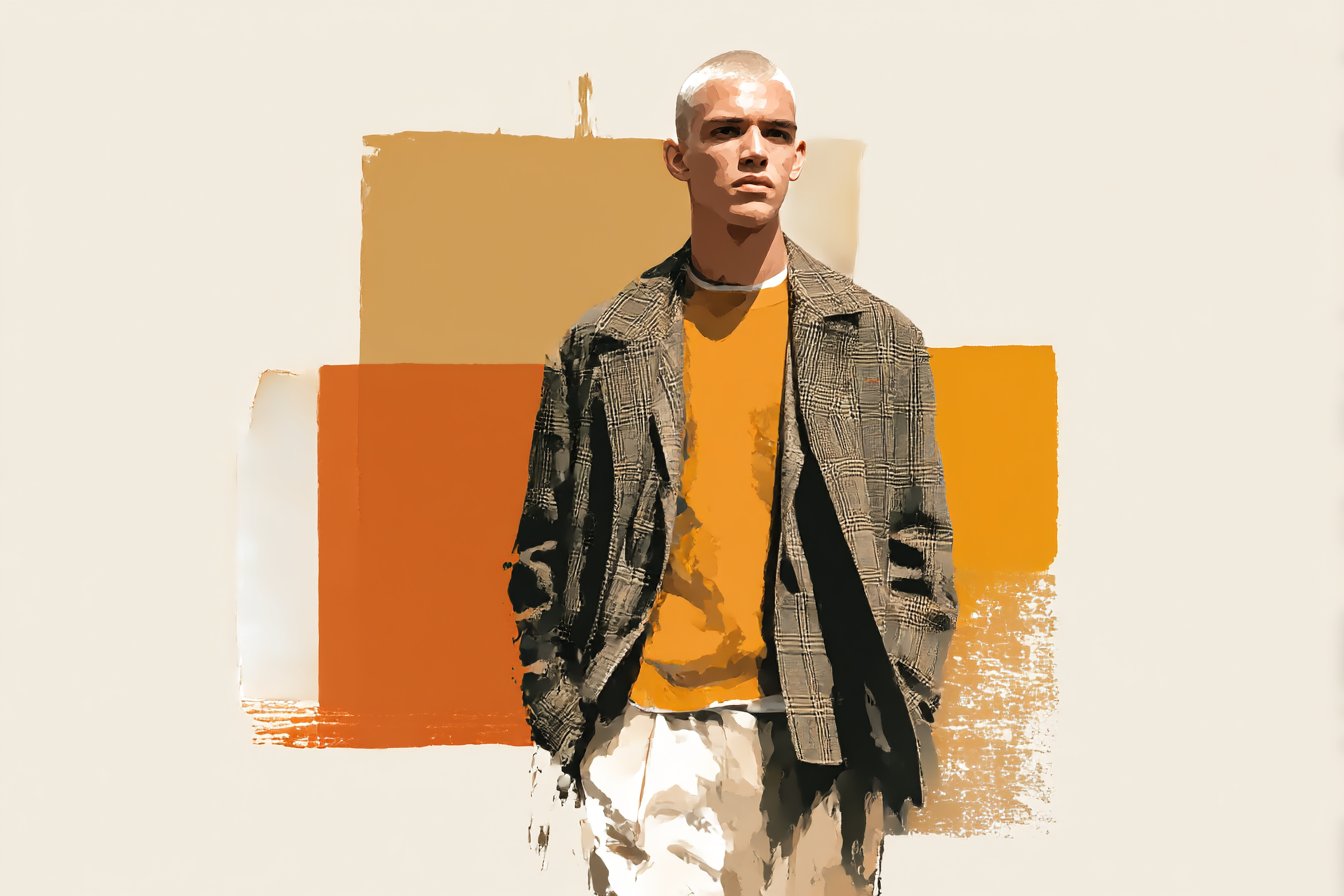
Most of their footwear will last years, and many female editors I know have a whole host of Penny Loves boots in every colour of the rainbow that they refuse to throw out, opting to get them resoled instead. You’ll rarely see blatant branding on any editor’s clothes, either.
Aside from the occasional classic Prada nylon backpack or extremely subtle-signifier fashion hideaway Loewe pencil case, what they wear is carefully curated and speaks more to those in the know without screaming SHOW OFF at top volume. A leather jacket from an old Japanese brand they found on their travels or the cool-girl favourite-comes-full-circle Comme des Garcons Play hoodie probably feature heavily. So does vintage, which many of the older generation have amassed over time.
Show offs are for shows. When talking about clothes to eat, drink, and sleep in, quality is key. Though, if you look hard enough you’ll find superstitions too.
Another menswear editor I know will never wear anything other than navy on travel days for fear of delays. A womenswear director at a major publication has the same pair of vintage gold cocktail rings on whenever she has a big meeting – not because they’re valuable, but because they belonged to her grandmother, who apparently was a tough negotiator. Who knows.
Just another thing I learnt while staring interpretatively at fashion editors while they’re sleeping.