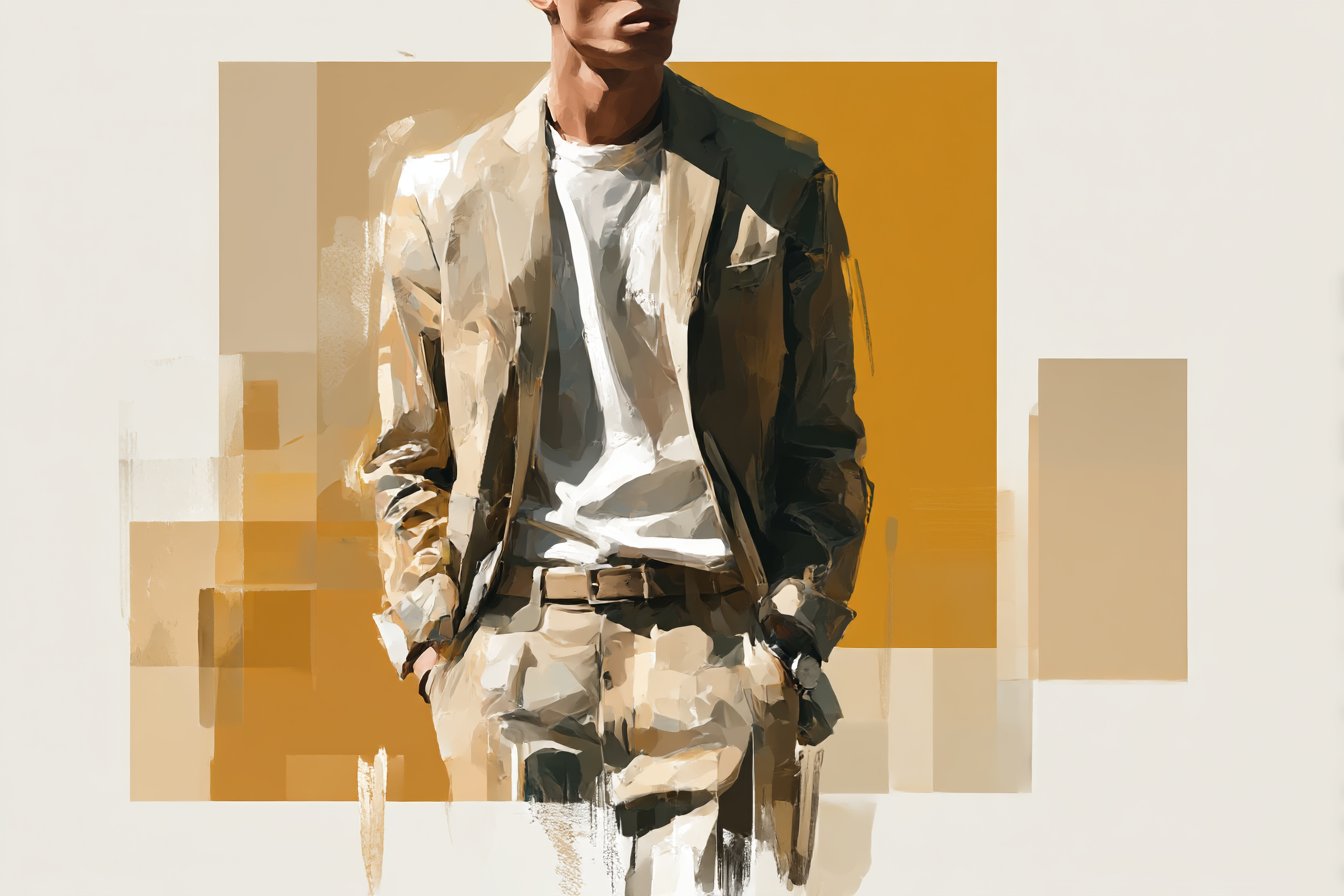
Funny story. I’ve been dressing for the corporate world for twenty-five years now. And every day I see young lawyers making the same sartorial mistakes I made when I started.
They spend $2,000 on some off-the rack Ralph-Llomo-esque monstrosity of a suit that doesn’t fit them only to stand in front of their bespoke (read: constructed properly by a competent tailor) Brooks Brothers suit that cost them $400 and wonder why their suit looks ten times better in court. It’s tragic. Truly.
See, what’s happened to me working in the corporate world for so long is that I’ve seen pretty much every menswear trend come through. Some are good.

Some not so much.
Here’s the thing I’ve learned. Trends come and go. Proper fit?
Tailoring that suits your body? Those are eternal. Every young lawyer I see making an expensive mistake that could have been avoided is learning this lesson the hard way.
What trends work in the professional world? Honestly, not many. But there are a few that make sense.
For instance, some guys have started wearing suits with just a touch more room through the chest and relaxed (but not too relaxed) trousers. That’s smart because suits were too slim for awhile there. They should fit your body.
Period. When I see younger guys dressed well, that’s usually what I notice – they fit their suits properly. There’s also been a huge resurgence in the appreciation for things that are well made.
Men asking their tailor if jackets are canvassed. Knowing why fused construction won’t hold up over time. Asking what fabric they’re using.
That knowledge is timeless, and when guys pay attention to those things, their clothes look better and last longer. I have suits I wore 15 years ago that look better than some newer suits with fused jackets because the canvas helps it keep its shape. Natural shoulders are also trendy right now.
That makes sense to me. Padded 1980s shoulders weren’t flattering on most guys, but many of these Italian ones we saw through the early 2000s were way too soft for professional settings. Natural shoulders that match your actual shoulder?
Perfect. Not trendy. Just good tailoring.
Right now, what I’m seeing work: -Jackets with slightly taller button stance (looks better on most people) -Proper trouser rise. Low-rise trousers look stupid on adult males. -Traditional lapel widths. Nothing too skinny or too wide. -The above fabric colours that never go out of style; great worsted wool in navy, charcoal, and mid- grey.
Basic patterns if you must. Thin stripes, maybe a tiny cheque. Solid is always a winner too.
Cotton shirts in white, light blue, and… white. Maybe pale pink if your office digs that. Here’s what not to wear in professional settings.
Streetwear influencers crying about suits being “too stuffy.” Wear trainers with your suit if you work in a creative industry where that’s acceptable. I’ve seen grown associates think they look cool rocking Jordans with a navy suit to client meetings. Please… don’t be that guy.
Short suits. Seriously. Everywhere I look, I see suits that are too short.
This is an “Instagram body” type of look that just doesn’t fly in professional environments. Your suit jacket should hit at least to your trouser hem. If your trousers have cuffs, make it a few inches past that.
The same goes for those hilariously short trousers showing your ankles. Not sexy or trendy. Just silly.
As for “updating” your tie … don’t. Knit ties look like you went down to the Kids’ Department at the department store by accident. Ultra-thin ties overwhelm most men’s bodies.
Prints and patterns draw the eye to your neck instead of your face. That’s not what you want in a professional setting. Stay solid.
Classic width. Silk. Colour trends should be avoided at all costs.
Sure, “burgundy” or “forest green” or “tomato red” might be the new blue this season according to GQ, but they aren’t. Blue is blue and will always work because it matches everything and doesn’t scream LOOK AT ME I KNOW WHAT COLOUR I SHOULD WEAR THIS SEASON like every other colour does. The worst trend by far?
Thinking clothing you wear to work is fashion. It’s not. You’re not trying to make a statement.
You’re not trying to look cool or trendy. You’re going to work. You should dress to show you understand the environment you’re in and that you take your role seriously.
Hell, I even have a photo of myself from when I was hired at the firm. Twenty-six years old, thinking I look “cool” in my severely dated-looking suit from the photo. That won’t happen to you if you pay attention to the fundamentals of menswear.
I promise. Trust me, Margaret laughs every time I say this. She works at a museum.
Her office allows for way more creativity with how she dresses. Corporate lawyers? Notsomuch.
The best-dressed lawyers I know wear clothes so conservative and proper you barely notice them at all. You notice their knowledge. You notice their preparation.
You notice their competence. Dressing appropriately does that for you. Let your clothes do the background work and you can focus on what should matter: being awesome at your job.
But that doesn’t mean you shouldn’t pay attention to details that elevate your look. Shoes that are well-made and will look good worn year after year. Clothing that stays unwrinkled and looks fresh long after you wore it for the first time.
Shirts that fit through the shoulders and chest. Pick out those details and perfect them. Other people will notice you spend extra attention on your clothes and that translates to you being better about other details in your work.
What works in accessories? Again, stick to the classics. If you wear a watch, make sure it’s not funky or crazy (unless that’s your industry norm) and you can actually see the time.
Yes, that means no gloves if you want to wear a watch. Get a leather briefcase or portfolio and keep it polished. Cufflinks if you wear French cuffs.
Not cartoon character ones that clash with your shirt. Pocket square? Go for it.
Just don’t puff it up like a damn whoopee cushion. I see menswear trends come through in professional settings and some work.
Some don’t.
What works are the trends that improve how your clothes fit, how they’re made, and whether they’re appropriate for the office you work in. Tailoring that fits better. Construction techniques that improve how your clothes look and wear over time.
More clothes cut in flattering ways that work with a man’s natural physique. Those aren’t trendy. Those are actually improving the quality of menswear across the board.
Everything else? Noise. Just as I tell new lawyers at my firm.
Learn the rules first. Then break them once you know why you’re doing it.


