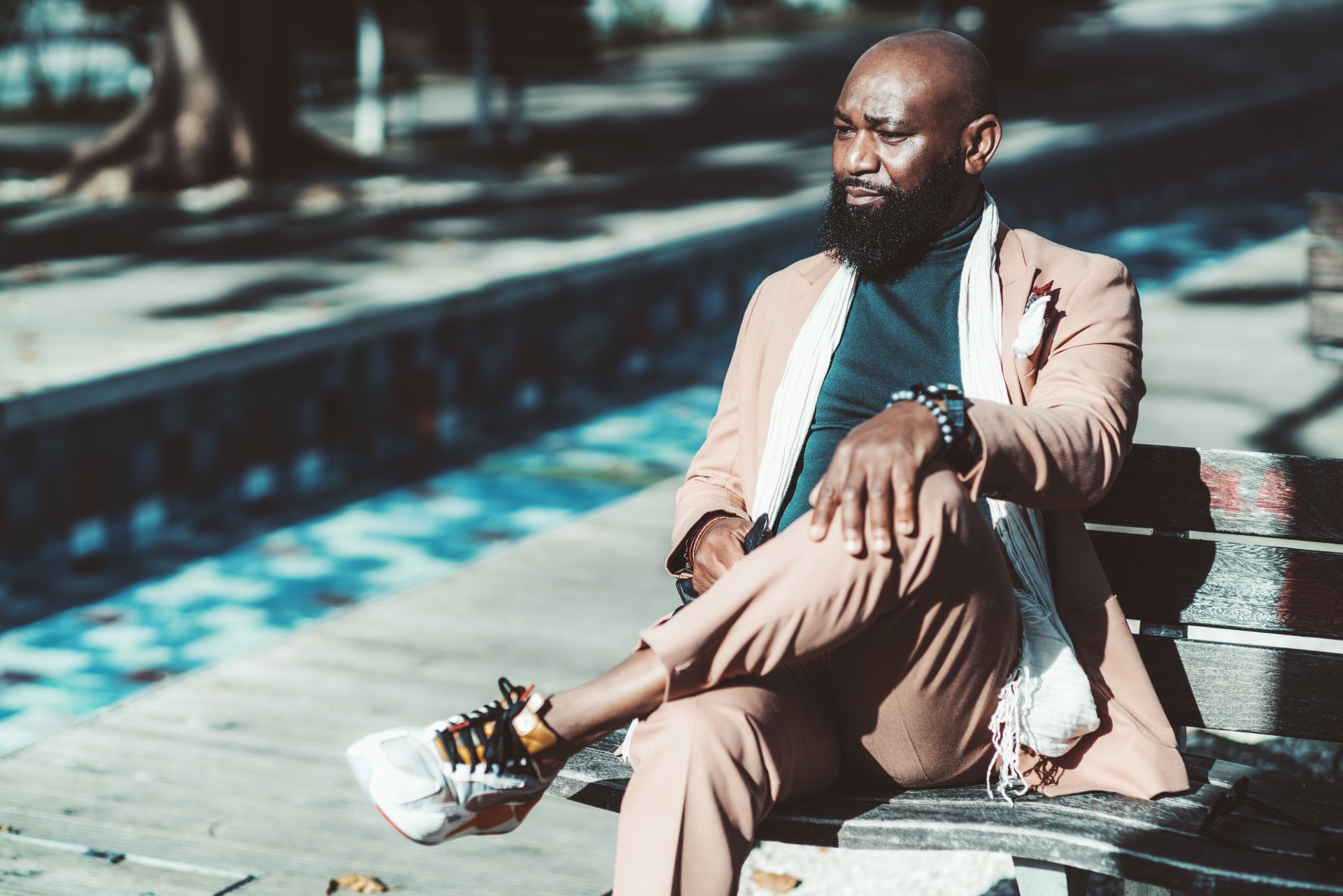
It was about three years ago when I committed what my mother would’ve referred to as “a poor decision.” I wore dark jeans, a white button-up, navy blazer, and white leather Stan Smiths to meet a client. Nothing too crazy by modern standards, but it was at a mid-sized, old-guard consulting company in downtown San Francisco, and trust me when I say…I stuck out. Dave, one of my project managers, pulled me into his office after the meeting. “Nice kicks,” he said sarcastically. “Really casual.” Look, I get it.
I wasn’t trying to make a fashion statement or protest capitalism or whatever. I’d recently gone through my entire closet with a fine-tooth comb and drastically trimmed the fat, and Adidas were about the only shoes I had that paired well with anything. They were comfortable.
They went with everything. And if I’m being honest, they looked cleaner and less worn than the black dress shoes I’d been using since college.

Flash forward to last month.
The exact same Dave walked into a quarterly all-hands meeting wearing Allbirds and a suit. I joked with him about it later and he shrugged. “Comfortable, man. And no one cares anymore.” … Okay, fine.
No one cares may be exaggerating things slightly, but he’s not entirely wrong. Trainers at the office have come a long way in the past few years. What was once hyper-specific to startups and Silicon Valley tech culture has spread to just about every industry I know.
Finance. Law. Consulting.
Public service. Industries that, for better or worse, can take decades to evolve. Before we get any further, let’s establish one key precedent: We’re talking nice trainers here.
Not your going-out-for-joggers Nike Foam Runs. I’m not recommending you stroll into your next investor meeting in white Zoom Falcons or low-top Jordans. That’s just silly.
When I say professional trainers, I mean clean, minimal styles that favour form-fitting profiles inspired by athletic shoe design but refined enough that security won’t escort you from the building. This actually started happening to me back in 20 21 when I pared down my wardrobe and had to rebuild it from zero. It was part of my initial strategy for every piece to serve multiple needs.
Dress shoes clearly weren’t cutting it. They were only comfortable with dress trousers and suits, full stop. But a nice pair of leather trainers could just as easily handle jeans, chinos, and trousers.
If I was going strict dress-code at work, I could get more wear out of a quality trainer than the majority of my shoe collection. The cost-per-wear just made sense. Ironically enough, when I first blogged about this idea, the blowback in the comments was monumental.
Got almost forty emails about the topic (and almost all of them were negative). “This is what’s wrong with America,” wrote one man from Nebraska. “First pantsless founders. Now trainers at work.” Dude wrestled alligators for a living; not sure how workplace culture was his forte. Anyway…point is, here we are in 20 25 and trainers have essentially taken the professional world by storm.
Now the conversation isn’t if they’re acceptable but rather what trainers you should be wearing. And that answer, unsurprisingly, changes depending on who you ask and what line of work you’re in. Tech, obviously, isn’t something we need to discuss.
I’ll never forget walking into an Airbnb office and seeing an engineer wearing fuzzy New Balance slippers to a meeting. Normal. Creative agencies and advertising are similar.
The bar for what’s acceptable tends to be much lower as long as you’re not wearing anything offensive. Businesses like investment banks, law firms, or insurance companies are where you start to see things flex the other way. A friend of mine who works on Wall Street keeps a nice pair of loafers at his desk.
Trainers when he’s wearing relaxed clothes, dress shoes when he has client meetings. “Don’t rock the boat,” he told me. “Some clients will think less of you because of your shoes.” Situations matter, too. There will always be times where trainers are still inappropriate for the office. Don’t wear them to interviews.
Don’t wear them to court. Don’t wear them to meet with someone senior trying to buy your company. Don’t wear them to my girlfriend’s funeral…(personally witnessed this when someone showed up toasketballd in Chuck Taylors.
Nope.) Freelance consultant, probably shouldn’t have worn them to his wake either. It’s all about gauging your environment. When I first started this process, I wore trainers only on casual Friday for about six months before branching out to regular weekdays.
You’ll notice what other people in your office are wearing – trust me, they’ll notice yours – and slowly introduce your trainers from there. Quality is everything here. Because we’re trying to convince people you “earned” the right to wear trainers at work, they absolutely need to look expensive.
They can’t look like whatever you tossed down next to your bed last night. Cheque out brands like Common Projects, Koio, or Greats. All three make trainers that look nearly like dress shoes upon first glance.
You Might Also Like

Highest-quality leather uppers. Simple designs. No massive branding.
Nothing TOO athletic. Also, keep your trainers immaculately clean. White socks and all.
As soon as they start to look worn or dirty, they’ll look out of place in an office setting. I wipe down my trainers with a soap brush every week, use shoe trees to keep their form, and replace them before they start to look worn. This isn’t your workout shoe or weekend trainers that look better with age.
Office trainers should stay pristine. It also has to fit into your entire outfit. You can’t wear modern trainers with old-style clothes and expect it to translate.
Everything needs to be cohesive, which means slim-fit trousers with little to no break, modern cuts for suits, and updated proportions all around. You can’t wear a sack suit with pleated trousers from 2002 and think sliding on a pair of trainers will suddenly make it “fresh.” It won’t. That said…I did one of the worst trainer outfits of my career once.
Conference in Austin. Packed my grey New Balance 990s because they were “neutral” enough to match anything. Didn’t realise they had reflective accents on them until I was up onstage for a speaking event and could see every exit point lit up under the presentation lights.
From the crowd, it honestly looked like there were little disco balls on my feet. Moral of the story: Consider all angles. These days I live in either white leather Stan Smiths, black leather Common Projects, or grey suede Koio GATs.
That’s my go-to “nice” trainer lineup. Could get away with two, but I like having the grey as a middle ground. To me, this speaks to a much larger cultural shift that’s been happening over the past few years.
It’s not just about comfort (although yea, that’s a factor). It’s about rejecting useless formality. It’s about personal expression at work.
It’s about recognising that professionalism isn’t the clothes you wear but how you conduct yourself while wearing them. Dress shoes aren’t going anywhere. But if done right, modern trainers are just as professional.
My father still thinks I’m crazy. Got mock drawers when he visited me last week. Wears the same twenty pair of khakis and polo shirts to work every day and has for the past thirty years in IT. “Why overcomplicate things?” he says whenever I mention anything about “work trainers.” To him, trainers=informal.
Shoes=formal. Full stop. But office culture has changed.
Millennials are entering the workforce with different mindsets around work formalities. Companies are fighting for talent by allowing more freedoms in workplaces, including what employees can wear. Once you establish your office can handle trainers, there’s really no going back.
That being said…understand your audience. I have had clients in the past that were clearly thrown off by modern trainers, but then I’ve had others who absolutely loved the subtle edge it brought to my outfit. Part of dressing professionally has always been making those around you feel comfortable.
If you’re not sure how your office will react to trainer culture, it’s not a risk worth taking yet. Comfort? They’re better than dress shoes.
Support? Same. Travel?
They take up less space.

Weather friendly? Generally speaking, yes.
Low maintenance? Dirt and dust come off way easier than leather. When you’re building a capsule wardrobe, little things like this start to add up.
Will trainers in the office continue to gain traction? Absolutely. I think we’re going to see an even heavier push towards casual workplaces as remote work persists and younger generations embrace being comfortable at work.
There will always be circumstances that demand you leave your trainers at home. But if your office is cool with it? Wear ‘em proud.
Just wipe your shoes before you step in the house.