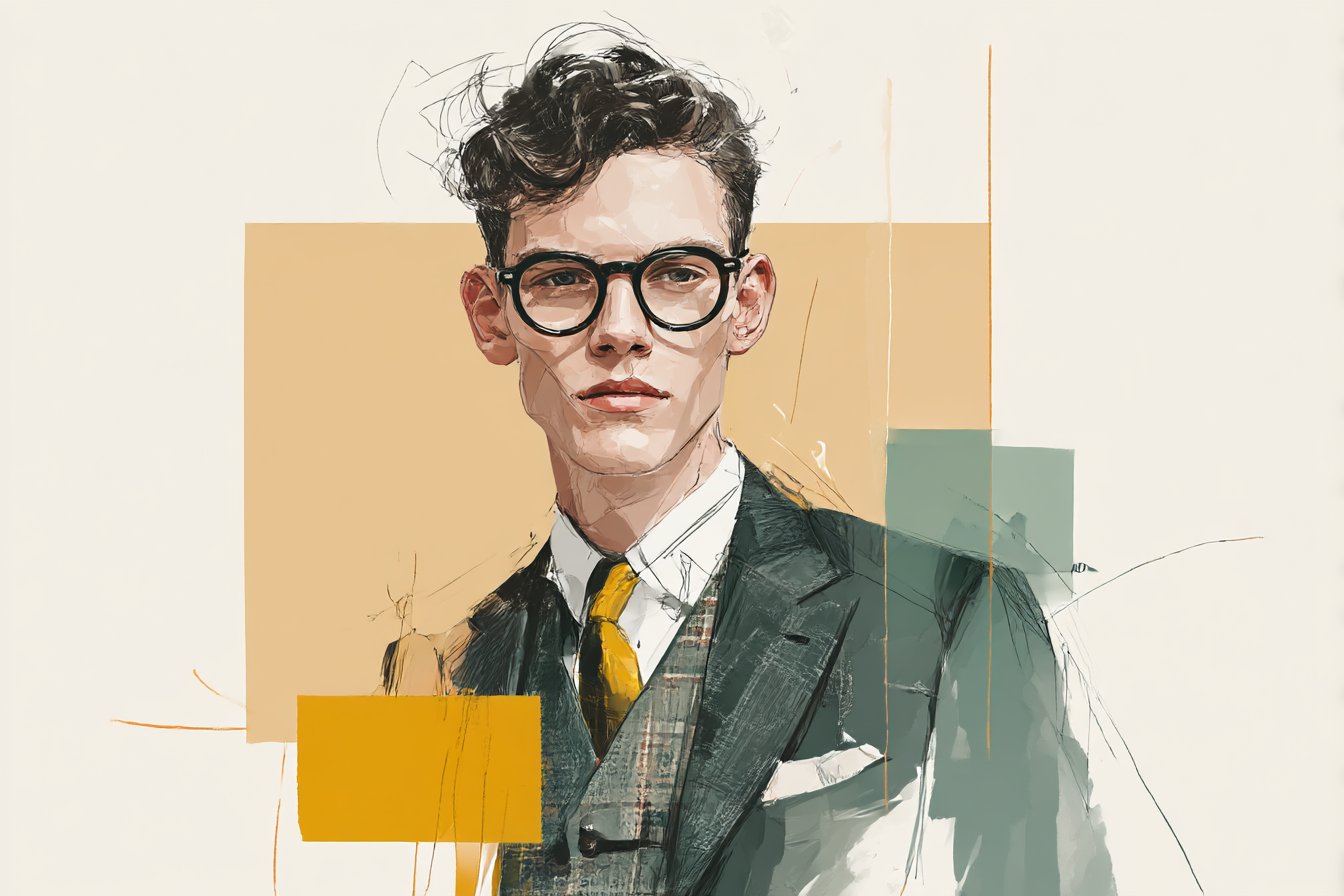
Wedding season arrives on my calendar like an amply biscuit-bellied tsunami each year. In the last twelve months alone I attended seven weddings across the British formality spectrum: a fancy trousers cathedral wedding where I baked uncomfortably in my morning suit and tried not to look like a member of the Fredboat (“Morning suits are sweaty, Hugh!”); a Cornish beach wedding where I was technically over-dressed despite wearing a linen blazer and the groom wearing linen shorts. British weddings will test you.
I’ve seen grown men break down in tears over cravats, fathers of the brideYoutube guide themselves mercilessly through “how to fold pocket square” the day of a wedding, and many, many terrible flip flop and stilettos combos that turned up to black tie affairs despite the invite clearly saying “black tie” (you did, Anne. You so did). After fifteen years of being that guy, the one your mates panic text at 9pm the evening before a wedding, I thought it was time to compile my annotations, scribbled hastily in the margin of a whisky-fuelled wedding manual entitled Things That Will Make You Roasted At.
If you’re British (or have been invited to a British wedding), read on. You’re about to be gifted a cheat sheet to navigating whatever chaos lies between ceremony and cheeseboard this wedding season.
Wedding #1: Morning dress weddings.
Ah, morning dress weddings. Church ceremony, country house (or marquee if the family are newer-money) reception, with guests likely to range from actual nobility to people who have either just moved to the area recently or are about to when they inherit their parent’s farming estate fifteen miles away. You’ll know you have been invited to one of these because your invitation will instruct you to wear “morning dress” or “traditional attire” and will almost certainly arrive via snail mail on card so thick it could be used as a frisbee.
Morning dress weddings also gift you the bonus dread of potentially being in the wedding party yourself should you have the misfortune to be a close friend/family member of the bride or groom. The traditional morning suit will comprise a tailcoat, waistcoat, and striped trousers. If you don’t wear one of these at least twice a year you’ll feel overwhelmingly outdated wearing one (not helped by the fact that everything about morning dress weddings is yelling AT YOU HOW OLD YOU ARE).
You can hire one, of course you can, but ready-to-wear rental morning suits fit like something borrowed from the drama department wardrobe of your local sixth-form college. Wear one once and it makes sense – they’re expensive enough to buy – but sitting through a summer ceremony lumbering around in rental wool is enough to send anyone off the deep end. I learned this lesson at my cousin’s wedding last July.
Luckily he married me in the first hymn as I was turning bright purple in my seat and refused to emerge for photos. Buy your own if you plan on doing more than one. Trust me.
Secondhand morning suits are available at a decent quality for a fraction of the cost to hire, and fit infinitely better than anything you’ll be sold in a rental shop. Focus on getting a good fit in the shoulders and length of the coat – waistcoat and trousers can always be altered. Mine cost less than two hires from a lovely vintage shop in Marylebone and has been worth every penny.
You can’t go wrong with black or grey, though grey is softer-looking and better for summer weddings. Black is more formal and better suited to winter. Your waistcoat is where you can have some fun – buff, blue, and grey are always safe choices but some wedding invitations will stipulate a specific colour that best matches the wedding party.
As long as it’s long enough to cover your waistband you can’t go wrong. Your shirt should be a plain white turn-down collar – not wing collar unless you’re in the wedding party and they’ve requested it. Wing collars and non-Silverado looking ties will make you look like you’ve time-warped from the 1800s.
Seriously. Silver or grey are your go-tos here; again most wedding parties will co-ordinate based on the colour scheme, so you may wish to play it safe. You cannot wear anything but black Oxfords.
Black, OXFORDS. Nothing italicised. Brogues?
Monk straps? Are you kidding me? They’re literally loafers.
You get it. BLACK OXFORDS. Make sure they’re well-polished, too.
Black socks. Just socks, nowhere else. Wedding #2: Black tie weddings.
Next up we have black tie weddings. Increasingly popular for evening ceremonies or winter weddings. Your dinner jacket, matching trousers with a single satin stripe down the leg, white shirt with turn down or wing collar, black bow tie, patent leather shoes.
Simple. Yet, so many men get it wrong. Again, shirt should have studs and not buttons, ensure your bow tie is self-tie, not pre-tied (unless you’re able to tie a bow tie, you’re going to spend most of the day practicing on YouTube like I did before my first black tie wedding) and, ideally, your jacket will have either peak lapels or a shawl collar in satin or grosgrain to match your bow tie.
Notch lapels are considered a tick less formal but acceptable for wedding black tie. Fit-wise you should ensure your waist is covered, either by cummerbund or waistcoat. Technically cummerbunds are not considered correct wedding black tie any more, but you’ll still see them.
The whole point of them is to cover where your shirt and trousers meet, otherwise you end up with an unflattering white wedge below your jacket button. I personally prefer a low-cut waistcoat to a cummerbund, as I’ve had many unpleasant flashing incidents with the latter riding up during overly-excited ceilidh dancing, but both are equally correct. Velvet smoking jackets (literally just means shoulder-padding, fun) and patterned dinner jackets are back in a big way for black tie weddings.
Summer weddings looking for a festive element can pair a velvet jacket in either burgundy or bottle green off wonderfully with black tie. Ensure your jacket has peak lapels or shawl collar with the lapels faced in satin or grosgrain to match your bow tie. The all-encompassing term that encompasses every British wedding that doesn’t fit into traditional etiquette is “lounge suit.” Ok, that’s not strictly true.
Americans call it “business attire” which admittedly is equally as baffling, but British people don’t know what to wear to a lounge anymore since approximately 19XX. Effectively, this will be a business suit with small tweaks to let everyone know you realise you’re at a wedding, not a funeral. Essentially, you have carte blanche with colour and fabric choice here.
For summer months, opt for lighter colours and fabrics – light grey, stone, tobacco brown if you’re feeling colourful and confident in your colour matching skills. Winter months allow for darker colours such as navy, charcoal, or even subtle cheque depending on how bold you’re feeling. White still works with everything, but pale blue, subtle stripes, or even patterns can work really well depending on your suit.
Just ensure it’s a well-fitting, modern cut suit that won’t look outdated in the photos your great-grandchildren will be Facebook stalking in forty years’ time. This is where you can let your personality shine through. Traditional colours and patterns are obviously acceptable, but solids in colours that complement the wedding theme or seasonal fabrics like slubby silk for summer weddings or knitted bow ties for winter months are increasingly popular.
When in doubt, ask! Other guests or even the couple will be able to tell you what (if any) colours the wedding party will be wearing – nobody wants to turn up and feel like they accidentally gatecrashed the best man’s prep shots. Socks and shoes can remain black, but you have more liberty with your choice of shoe.
Dark brown brogues, monk straps, or loafers all work depending on your suit colour and the overall formality of the wedding. Just ensure they’re squeaky clean. Wedding #3: “Casual weddings.” The newest (and trickiest) category I’ve had to deal with recently are weddings that want to buck tradition but can’t decide how casual they really want to be.
Invites will say anything from “smart formal” to “no suits, please!” but will generally autumn under the “casual wedding” moniker. These are the trickiest, in my experience. With no real benchmark for what casual actually is, you run the risk of either over-dressing or under-dressing every time.
My rule of thumb is always to ask. Another guest, the couple, or someone in the wedding party will be able to guide you as to what the couple want. An actual festival with a ceremony in a field is going to demand a completely different outfit to a cute “no suits” wedding at a trendy boutique hotel.
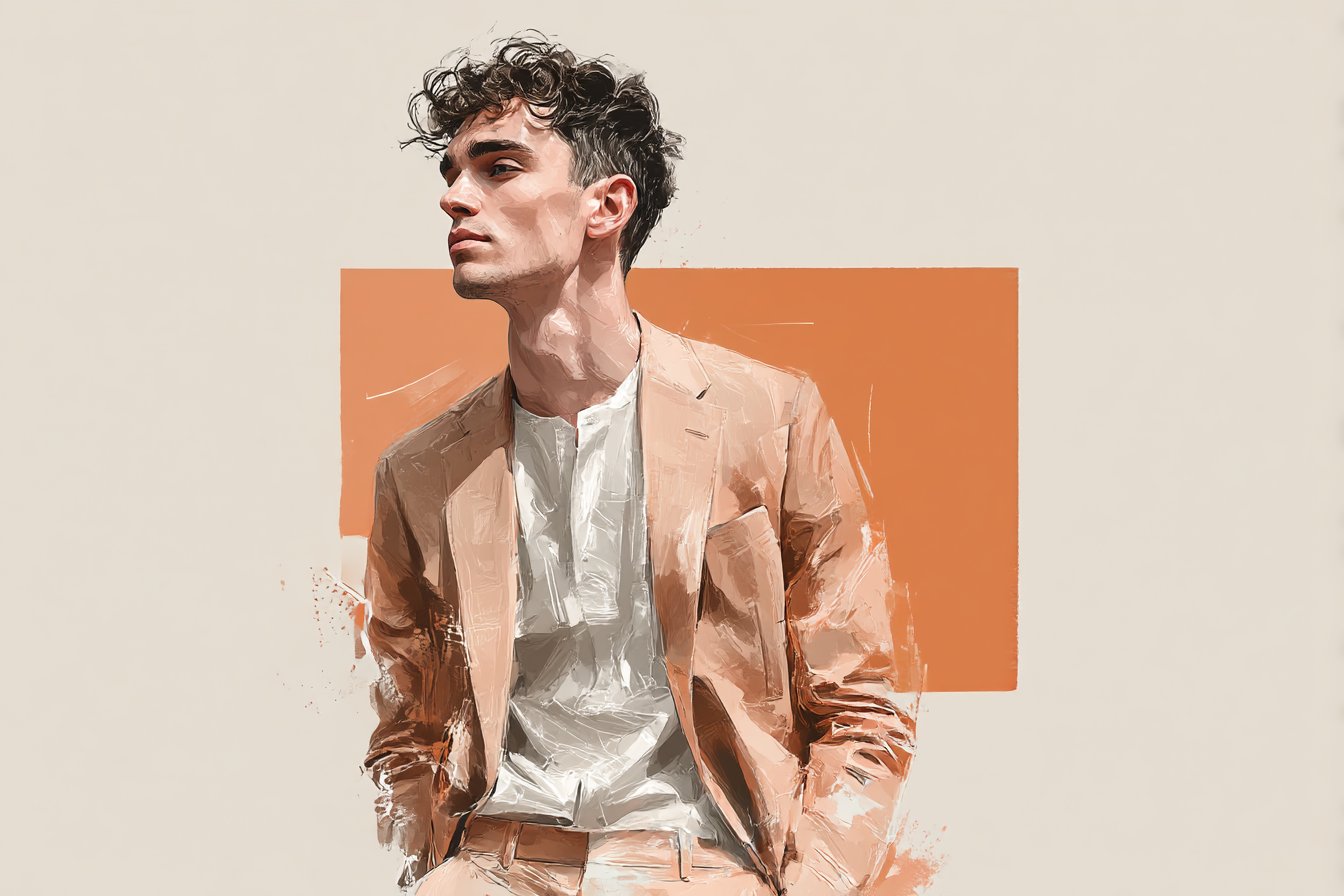
My current favourite summer formula is a blazer (cotton or linen!) and contrasting trousers, or even smart chinos with a crisp shirt and knitted tie. You can even get away with trainers now, provided the wedding is actually casual. Get them clean, though.
I cannot stress this enough. Clean white trainers with minimal branding are a wedding guest MVP. Winter weddings give you a little bit more wriggle room with casual since you no longer have the backbone of a suit to define your outfit.
As with smart casual, a blazer is a great starting point. You instantly look more celebratory without having to Commit To A Suit. Tweed or velvet are both smart choices for winter weddings and exude “celebration” without trying too hard.
Throw a waistcoat on top if you’ve got one and polish your shoes – it’s amazing how smart you’ll still look. I think, where most men go wrong with casual wedding attire is that they don’t think about it enough. Casual doesn’t mean crap.
Yes, you’re not wearing a suit, but that doesn’t mean you shouldn’t wear something you made the effort to put together. Read the invite. Nine times out of ten, casual still means smart casual.
Spend twenty seconds thinking about it. Trust me, I’ve seen enough dudes turn up in chinos and a “smart” shirt that clearly only pairs with black jeans to know they don’t. Wedding #4: Destination weddings.
Finally, we have my personal least favourite: destination weddings. Whether that be a Cornish seaside celebration, a Scottish Highlands you-are-committed-no-thanksgiving wedding, or just a wedding that has picked a venue requiring you to think about clothing layers/options based on planned activities.

Regionally specific weddings may also come with their own dress up considerations – including but not limited to appropriate attire for climbing mountains/pubs/beaches/tips.
As above, when in doubt, ask! A summer wedding by the seaside in Wales may sound easy, but when you realise how much that means it’s going to blow sand everywhere all day you’ll wish you’d gone with trousers rather than shorts. Scottish weddings usually involve ceilidh dancing.
You will dance. At a wedding. Wear something you can dance in, and not feel self-conscious boiling off litres of sweat under your rental morning coat.
Speaking of rental coats… It isn’t 1987 anymore guys. Double-breasted coats are so outdated unless you’re deliberately going for a military vibe. Happy wedding-season scarfing, friends.
Just remember to Google wardrobe forward until August, and yourself when you inevitably become the cautionary tale at future weddings… Like my mate Daniel, who turned up to a “Highland optional” wedding in full-on hired-from-a-budget-charity-shop kilt and plastic sgian-dubh. Those photos still haunt him.