
When I purchased my first real suit at age twenty-two, it was for the wedding of a college friend. Navy blue. Brooks Brothers.
Off-the-rack, with sleeves approximately one inch too long. The salesman – a bulbous-faced older man with a tape measure perpetually swinging from his neck like a doctor’s stethoscope – addressed me as “young sir” while detailing all the alterations that would need to happen before the suit could fit properly. I nodded along like I knew what the hell he was talking about while internally panicking about whether or not I could afford both the suit and that week’s dinner.
That suit would go on to serve me well for six weddings, two funerals, and my first three job interviews. I figured I had the whole thing mastered until I arrived at a media event in Chicago and was promptly asked by the bartender why I wasn’t helping him set up for the night. (I was wearing slacks and blouse-looking things meant to cover up my tattoos; he was serving banquets and thought I was one of his servers.) It turns out that just because you wear a suit doesn’t mean you wear it well.
Mind.
Blown. American men have historically had an odd relationship with tailored clothing. We’re collectively atrocious at it for a lot of reasons: partly because American culture has conditioned us to believe that if you care about your clothes too much you must be shallow or pretentious, and partly because no one ever actually sits us down and explains the fucking rules before throwing us into adulthood where we’re suddenly expected to know them.
Imagine if up until now, we’ve only been asked to play checkers but now someone’s expecting us to excel at chess. Over the last decade, covering menswear has allowed me to witness firsthand American men’s dance with dressing up. The rules are changing – we know better than to think that “dressing up” nowadays strictly means grabbing the first dark suit you find in your closet – but they always seem to be changing.
The constants remain: tailored clothing can elevate pretty much any occasion, and how you care for yourself says a lot about how you’ll care for others. What’s changed is how we execute that dressing and, more importantly, where we do it. Your father wore a suit to fly on airplanes.
You probably wear one ten times a year, if that. The upside? This opens up all kinds of fun opportunities with how we approach tailoring that previous generations never had.
The great thing about American menswear right now is we still preach the old ways – shop for quality, buy clothes that will stand the test of time – but we’re rewriting the rule book on what proportions and fabrics and occasions those clothes are worn in. There has never been a better time to be a dude who wants to look good without feeling like he got dressed up in gang green. Consider my friend Marcus.
He manages a team of tech consultants but meets with clients often. He has this whole rotation of unstructured sport coats he rotates through from a maker called Ring Jacket. Ring jackets are the exact opposite of your typical American sack suit: they feature supremely soft shoulders as opposed to decades of us rocking the Frankie Valli-esque padded shoulder.
He’ll wear them with slim cotton trousers and suede loafers. It’s polished, yes, but not overly stuffy. Everything about his proportions are modern – shorter jacket, higher armhole, trim sleeve – and yet it still works.
It’s still respectful. Still appropriate. Which brings me to my point: appropriateness.
Formality used to automatically mean stiff. Modern tailoring is allowing American men to embrace clothing that looks sharp but doesn’t restrain us. A big part of that has come from American men finally understanding that concept we’ve seen Europeans excel at for decades: clothes should fit your body’s shape, not try to manipulate it into something it’s not.
I interviewed Tom*, Master Cutter at one of America’s oldest suit makers, Southwick, last month, and he phrased it perfectly: “Traditionally we built suits like building a brick house. Now we’re building them more like tents.”* They’re drapey around the shoulders, allow you to move freely (damn near run), and fit comfortably around your body rather than trying to cinch you into something you’re not. Case in point: the blue suit.
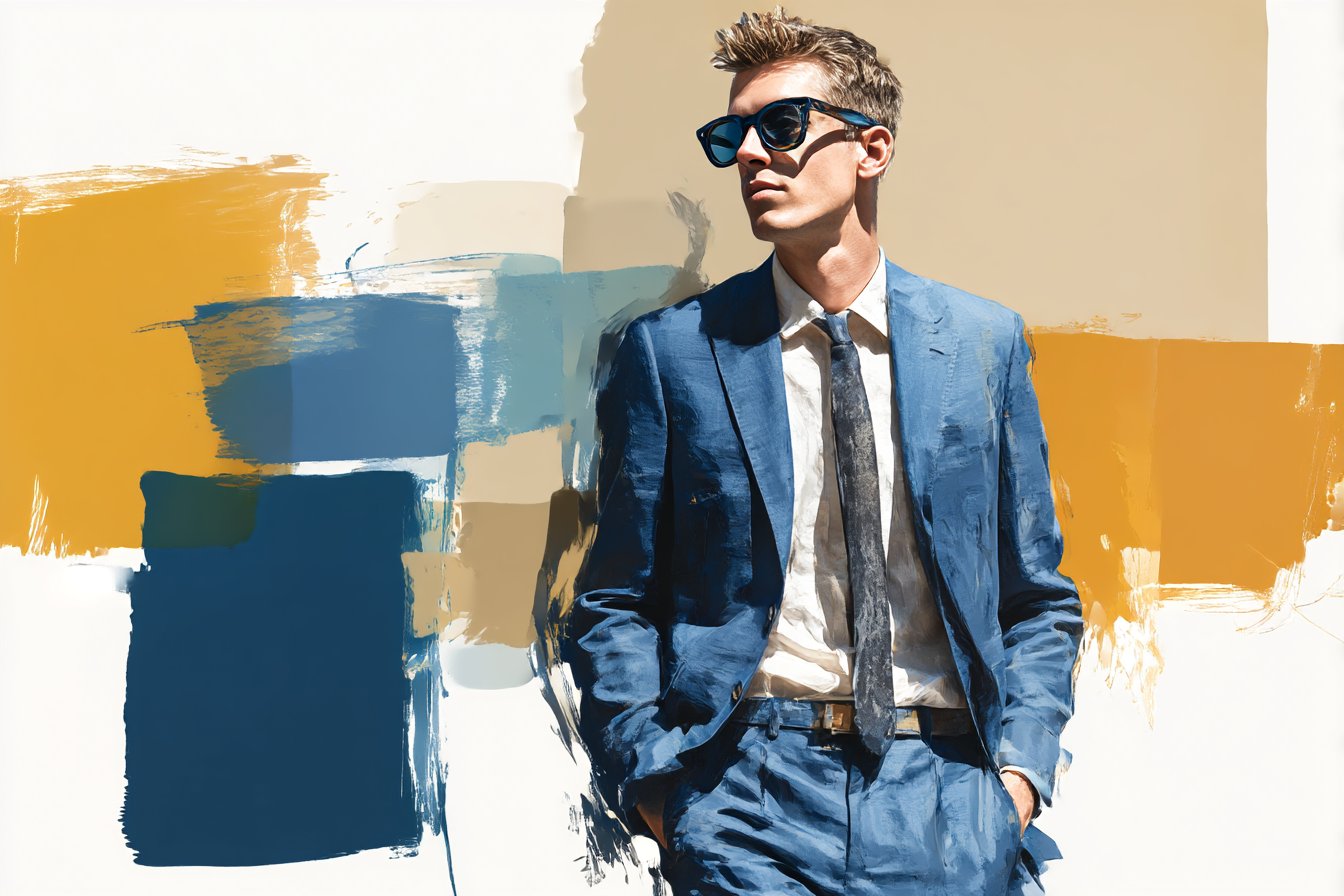
The default suit colour for the vast majority of American men. It has gone through numerous transformations since those square shoulder Monsters of Fitness you saw roaming the business districts of the late ’80s and early ’90s. We spent decades taking influence from the Italians in the ‘90s and wearing those ridiculous Slim-Fast Pee-wee Herman suits that almost no man could pull off, but yourself obviously because you tried really hard in 2010 and still have the photos.
But we’ve finally come into our own with regards to proportion over the last few years. We’re not as bulky as our dads, but we’re not tucked into our trousers either. “My clients are finally learning to dress for their body’s actual shape rather than this ‘ideal’ they’ve been sold,” my favourite tailor in Chicago (name-drop alert: Manuel) tells me. “You come to me with box shoulders, I give you box jacket. You come to me with round shoulders, you get round jacket.
Hell, I don’t want you fighting with your clothes every day.” Fabric matters now more than ever. I can’t tell you how many times I saw “bulletproof” worsted suits in America that could withstand the apocalypse but never once creased. Guys are starting to embrace softer fabrics in their suiting, from textile blends like tropical wools that actually breathe to even wearing textiles that embrace a smarter crease, like seersucker outside of the Kentucky Derby.
Last autumn I was visiting Nashville to write about this small-batch suit maker that creates the lightest wools you’ve ever felt, a wool-silk-Linen blend that actually moves with you. Not only does it retain that tailored shape we all know and love, it feels fantastic. Better yet: they told me they sell three times as many sport coats as full suits, but their customers wear those jackets more often than they used wear suits twenty years ago.
Wins all around. When clothes don’t feel like punishment, you want to wear them more. Colour, too.
Trust me when I say the standard American palette of navy, charcoal, and “oh wait just kidding, more navy” isn’t going anywhere. But now we’re finally expanding into colours we shy away from because we think they’re “dressy” – olive greens, dusty blues, rich browns, yes even burgundy. I remember buying a tobacco brown sport coat about four years ago and being convinced I couldn’t wear it to client meetings because it was “too fashion.” I was so wrong.
I ended up wearing that stupid thing more than my actual navy blazers. It’s become my go-to travel piece. How we’re styling these clothes has changed too.
Matching suits are far from “dead” but we’re breaking them up more often than before. That blue jacket? Pair it with mid-grey trousers or even dressed-up chinos.
Swap that wide-striped tie for a knit version or hell, no tie at all if your shirt has enough pop to it (think crisper collar, fun pocket square). We’re putting more thought into our outfits than grabbing whatever uniform we told ourselves worked. Of course, I don’t advise showing up to funerals in your blush pink linen suit or a job interview in that fabulous unlined linen number you wore last weekend to the beach (true story.
Interviewed a kid once who did just this. He grew up in South Carolina and was dying in the Chicago summer. Loved him though, so I gave him the job.
Poor dude.). Know your context. But if you’re wearing a suit and rocking it within an appropriate setting, I’m telling you we as Americans have finally hit a sweet spot of balancing our respect for tradition and how we actually live our lives now. “Athleisure” is enormous right now because Americans don’t HAVE to wear suits.
They WANT to wear clothes that fit well and feel good. There’s a level of respect that comes with understanding that,” Jason, who owns a fantastic menswear shop in Denver, told me over lunch last year. “Americans don’t need tailored clothing. They choose it.” And that, my friends, is where the game changes.
The most stylish guys I know wear tailored clothing because they love it, not because they feel like they have to. My buddy David hates wearing dress trousers but maintains a crazy detailed rotation of beautiful sport coats he reaches for all the damn time. When I asked him why he invested so much in something he swore he hated, he shrugged and said, “They have pockets.
And they make my shoulders look nice.” Seriously. That’s it. No highfalutin reason for spending money on clothes he loves, just plain ole appreciation for them doing their job and looking damn good while doing it.
You want the American take on tailoring?
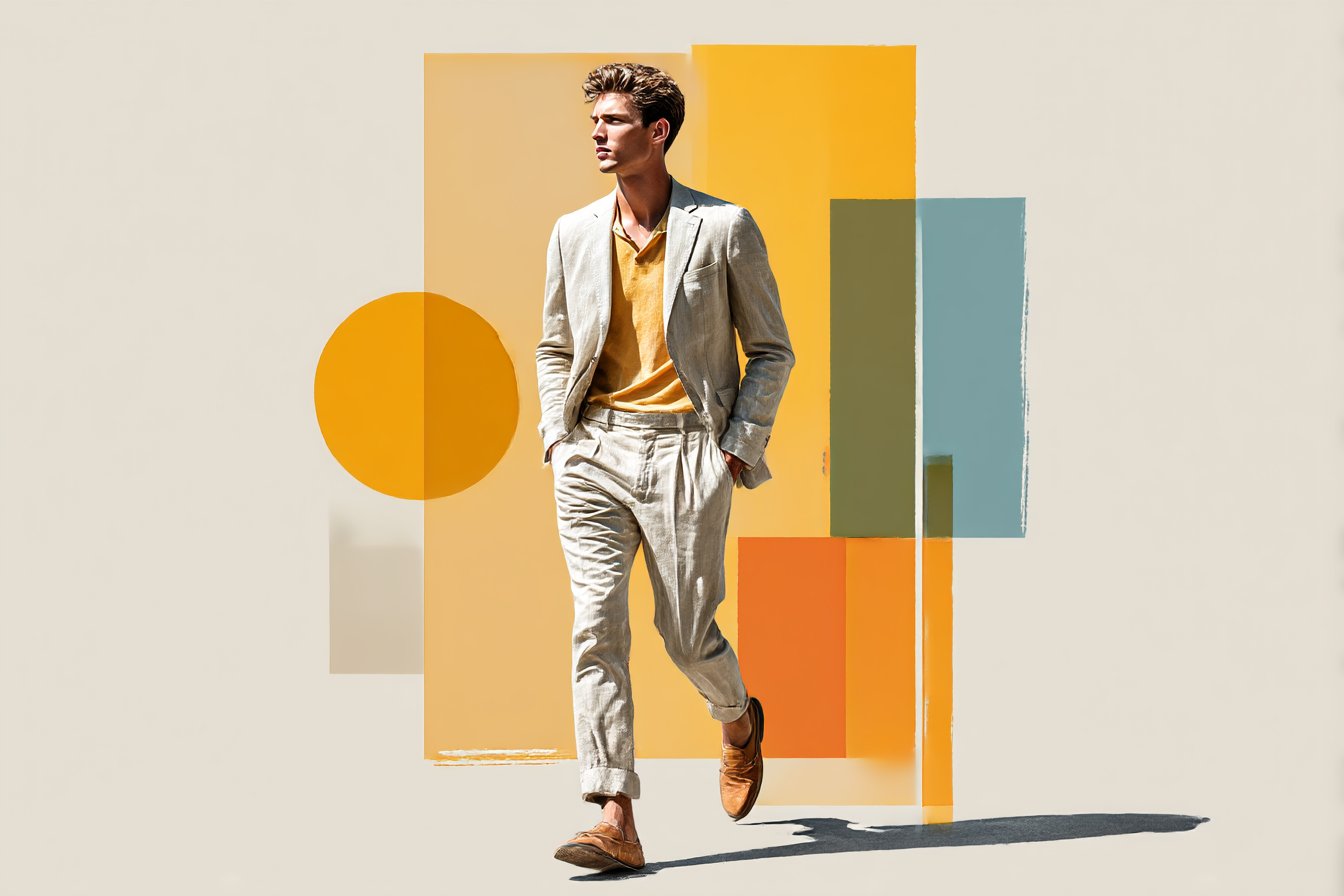
Make sure it fits – that doesn’t mean skinny fit, that just means FIT – and moves with you instead of restricting you. Ask your tailor for softer construction.
Don’t be afraid of texture and patterns that aren’t loud stripes. And most importantly, wear your tailored clothes like you picked them out for yourself. I’m still hanging that first suit I ever bought in the back of my closet (alongside every other suit I’ve apparently purchased since).
Had it tailored completely two years ago – softened the shoulders, took it in all around, got the trousers tapered. Cost me almost what the damn thing was twenty years ago, but hey. Worth it.
Last time I wore it, I caught my reflection on the door of a taxi and saw that kid who knew nothing about clothes standing in front of me wearing “his” suit. Remembered how the old salesman used to call me “young sir” and I had no idea what the hell he was talking about. Made me smile. *Name has been changed


