
Last autumn, I ruined a perfectly good pair of brogues hiking in the Lake District. Pretty dumb to think I could traverse soggy slopes in suede shoes. My girlfriend had talked me into what she termed a “light hike” around Windermere – you know how estate agents describe houses as “half mile journey to local schools”.
In reality it meant quagmires, scrambles across awkward-looking streams and a “little incline” that frankly felt more Himalayan than highrise. My brogues – previously beautiful Loakes that had served me well across many a fashion week and industry dinner – never quite recovered. Leather sundered at the seams, soles started drooling apart at the toe like a Nicholson mum and they adopted a vaguely fermentative odour that not even regular cedar shoe trees or fancy cleansing creams could resolve.

Thing is, I’d spent fifteen years curating a wardrobe that didn’t involve me shouting about “hiking boots” every five minutes. The idea of shuffling about town in those grotesque over-engineered monsters that Joe Wilderness wears fills me with horror.
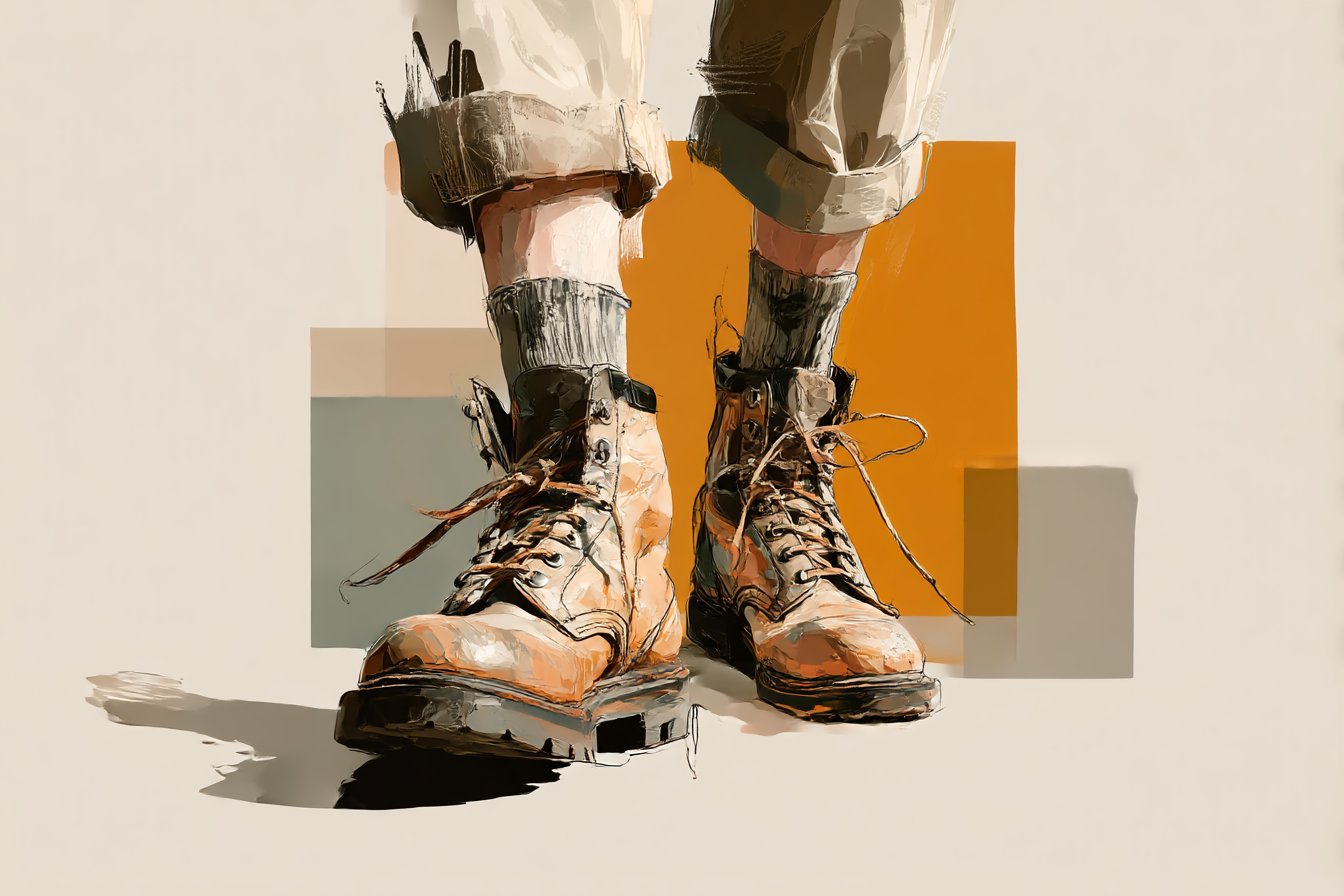
You know the ones, Dayglo hides patched up with enough straps and grommets to outfit a fetishwear convention.
Basically trauma for me.

Boots that wouldn’t necessitate swapping footwear in car parks before going inside pubs, or apologise profusely to anyone that asked me where the hell I’d got lost on my way to scale Everest. I checked the obvious outleatherer stores – Cotswold Outdoor, Blacks, GO Outdoors. Feeling decidedly overwhelmed whilst ogling tents and sleeping bags sufficient for the next Antarctic Survivor series pitch, I asked a skeletally thin assistant at Cotswold if they stocked “walking boots that don’t look too… boot-like?” Craig* (because yes, we know your name shiny sales brochure from every place you’ve ever worked), introduces me to at least 47 different varieties of hiking boot covered in their own confusing textures of brown, grey and the trademark outdoor-fuchsia hybrid no person with sight has ever seen outside of an adventure gear shop. “Best sellers!” he smiles, grabbing a pair resembling nuclear waste protectors from the racks. “Waterproof Gore-Tex lining, Vibram sole, extra ankle support!” they were the outdoors equivalent of a khajuraho temple.
Bullet-proof function at the cost of any kind of stylePoints.
The one real salesmen talk about over cold beers after work. Fast-forward 30 minutes and we’d settled on a pair of Scarpa boots in plain leather with discreet logos and branding. Ok, they wouldn’t win any Best Dresser In Town awards, but they also wouldn’t get me booed out of middle-of-the-road gastropub.
Waterproof, good for most trekking/weather conditions you’re likely to experience here in the UK**, and Craig personally assured me they’d “seen me through everything barring bog-snorkelling, Glacier trekking, or actual uphill movement.” At £170 a pop, they were hardly inexpensive, but by that point I’d realised I was investing in actual hiking boots. My ruined Loakes had been about £240 new, so seemed a better investment than some piles shoes that got ruined the second they leave the showroom floor. The real eureka moment, however, came weeks later when a stylist friend of mine who works on outdoor editorial (yes that’s apparently a thing now) tipped me off to the rise of hiking boots that genuinely want to blur the outdoor/offal couture line.
Brands that recognise a portion of their customers actually want to climb something, *then* go for a pint without looking like some glossy magazine interpretation of Ralph Wax chewing through Roots catalogue pages.

Expect to pay a minimum of £300 for a pair but they are built to last – and with premium leather that gets better with age, not mould-lines like synthetics. Cat Footwear is related to those darling builders of the earth, Caterpillar (no connection to the shoes, sadly), but actually do a very good line in boots that won’t break the bank. At around the £100-120 mark, they make fairly respectable footwear.
Most know them for their Colorado boot, which has become something of a workwear classic, but their less ubiquitous styles like the Stiction are actually fully waterproof walking boots cleverly disguised as everyday trainers. Mine have lasted me three years of daily wear and tear including that disastrous trip to Wales where the heavens opened and genuinely did see beasts lining up like Job. For the cost-conscious that still want something on the dapper side, Italy’s Fracap offer similarly handsome boots that trade blows with the Danners but with proper Vibram soles built for trails.
At £220 a pair they sit comfortably in that mid-tier not-cheap-but-not-laurence-from-GQ-price sweet spot. You’re not going to want to hike Carraoddin with them in December (good boots for that exist, we’ll talk about them at the end), but for 90% of walks that conclude with a roast dinner they’re more than up to scratch.
They do hiking boots. Actually great hiking boots that won’t offend your street style over-tones. Gore- Tex variety included; waterproof with proper, grippy hiking-esque soles but in shapes that’ll pass as de-sensible office wear in those workplaces that allow such a thing.
The Batcombe Alpina GTX saw me through a particularly soggy weekend in the Cotswolds last spring and retail at around £130 a pair – t’s affordable enough that buying them won’t mean your offspring eating nothing but toast for a month. Danner, Fracap – these are the kind of websites that assume you’re buying hiking boots to ascend Mount Everest without breaking the bank or completely divorcing yourself from everyday wear. My favourite, however?
A comparably tiny Italian bootmaker who go by the rather delightful name of Fracap. Specialising in footwear that looks like they’ve been dinner-gulped by a Pitti Uomo street style muse but are actually fully-equipped for light-to-moderate hiking adventures, their M120 Magnifico boots come handcrafted in Italy complete with Vibram soles that actually work. Retailing around £280 and with sporadic online availabilities they’re not the easiest to get hold of, but they epitomise that cool-grabby-highlander vibe of boots that can transition anywhere.
Red Wing may be ubiquitous on your trendy friends’ Instagram feeds lately, but they’re actually rather good for casual hikes. Red Wing boots are specifically made to be broken in. They suck.
My Iron Rangers hurt for about three months. But when they’ve loosened up after that initial pain torture, they’re fucking tanks. Soled deep enough to handle anything from well-trodden paths to muddy undergrowth and with enough TLC they’ll last you a lifetime.
Their more aggressive-looking Roughneck has deeper lugs in the sole that actually grip through mud really well, too. Expect to drop £300+ on a pair but they honestly are the real deal. If you’re willing to spend big, Keen’s new Valour boot range are certified waterproof with even more outdoor-centric details than their classic offerings.
They look like fairly normal hiking boots and will do everything from well you’d expect a hiking boot to do, beautifully. At £250+, they won’t be everyone’s cup of tea but are about as versatile as hiking boots come.
You will never win any street cred aping about in either brand’s offerings but they’ll perform admirably and won’t be *quite* as heartbreaking to the eyes as some of the big-brand hiking staples. Mountain Warehouse’s Brecon boot in brown actually looks kinda stylish in leather and will keep your feet perfectly dry in your typical British “storm”. A few parting words of wisdom from someone who knows nothing about hiking boots but has spent way too long trawling through them…leather is LIFE (looks better with age, synthetic fabrics just look abused), minimise branding/external logos, avoid the giant toe covers that look like they’re sealed with gumsmith and try and stick to muted/natural tones as much as possible.
Also? Kudos defy those backpack brands who think waist-high boots need neon trimming. You’re not fooling anyone.
Another quick note on maintenance, because they’re an investment and should be treated as such: buy yourself a waterproofing solution like Nikwax and regularly apply it. They have specific boot cleaning and proofing agents for different boot types that actually work.
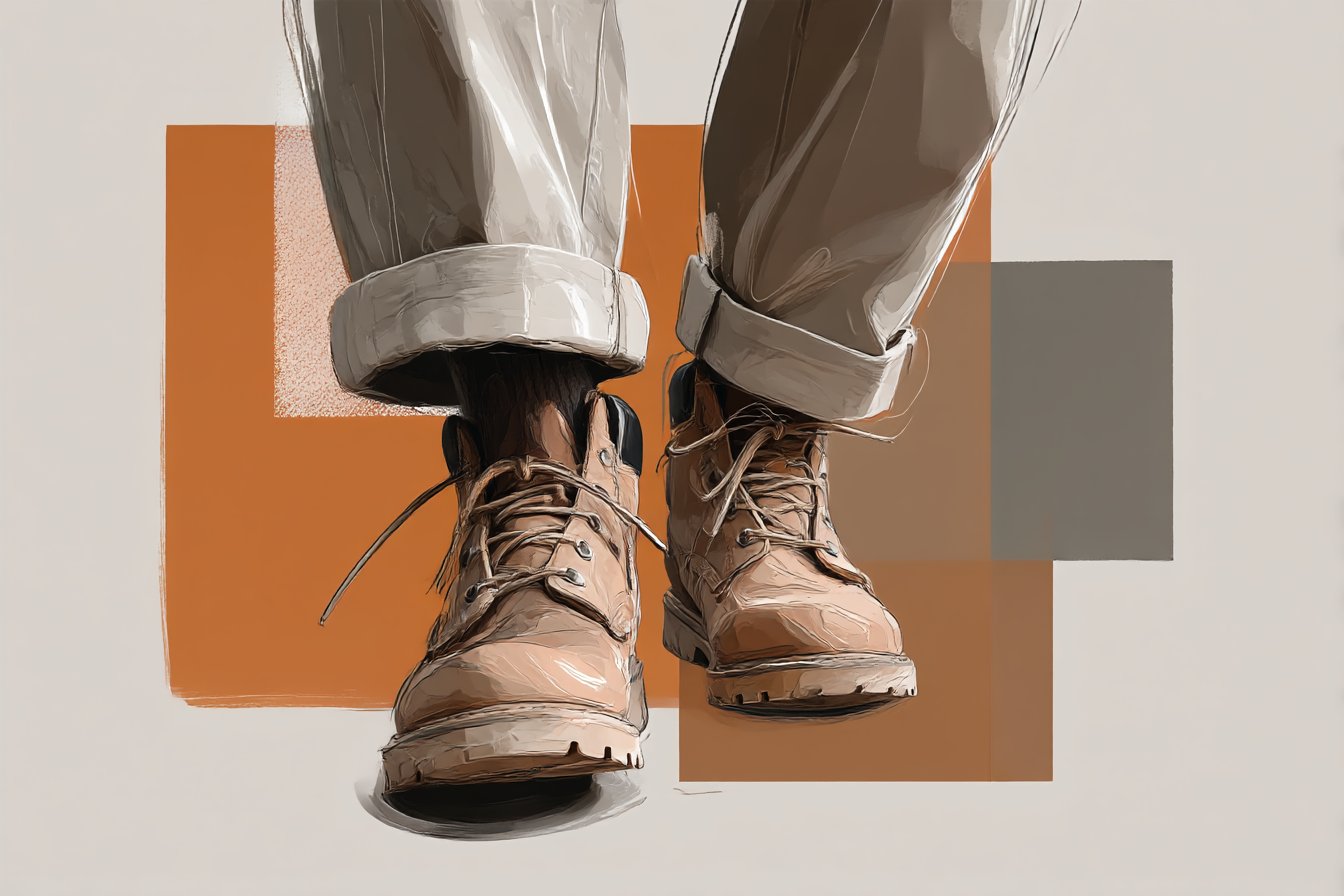
And invest in some decent walking socks.
Don’t rob your boots of all their goodness with thin-ass cotton socks that will give you blisters within minutes. My favourite? Bridgedale.
Trust me. Ultimately hiking in Britain sucks. Sometimes you have to pick practicality over prettiness.
When you’re knee-deep in a muddy field paying how cool your boots would look in a country pub is the last thing on your mind. But it’s equally nice to know that you can now buy boots that WON’T leave you dried-out and ruined for weeks come the next deluge. Sure, you’ll still get weird looks from National Trail experts with their monolithic walking sticks and boots that cost about a month’s rent.
And yes I’ve accepted that no hiking boot will ever truly satisfy that portion of my soul that yearns for Oxfords and brogues. But at least now I have options that WORK hiking boots that won’t incinerate my feet should actual British summer suddenly decide to manifest itself. (*Obviously name changed) (**Thankfully) Image Credits: im1979.com, Horseandhero.com, unsplash.com


