
My most formative pubescent experience wasn’t losing my virginity (sorry Clare Matthews, braces and a can of Impulse body spray – epic fail) or even failing my driving test twice before passing on the third (courtesy of spectacularly mangled parallel parking attempts on the second). It was instead getting caught in a rainstorm in Manchester aged about 17 whilst proudly sporting my newly purchased suede desert boots, ones that I had spent two weeks dishwashing in order to buy. I watched, open-mouthed with despair as my beloved boots became waterlogged, shapeless masses.
I stared angrily at the heavens and shuffled around under a newspaper like Oliver Twist. Flash forward twenty years and I’ve lost track of how many items of clothing have been ruined due to Britain’s damp climate. The suede jacket that met an untimely end thanks to a freak storm cloud.
The waterproof jacket that was, in fact, only waterproof for about 47 seconds. Oh and let’s not forget the hundreds upon hundreds of pairs of trousers ruined by the tell-tale rain drop splatter around the ankles that will forever make me look like I’ve been deliberately jumping in puddles to ruin the bottom of my jeans.
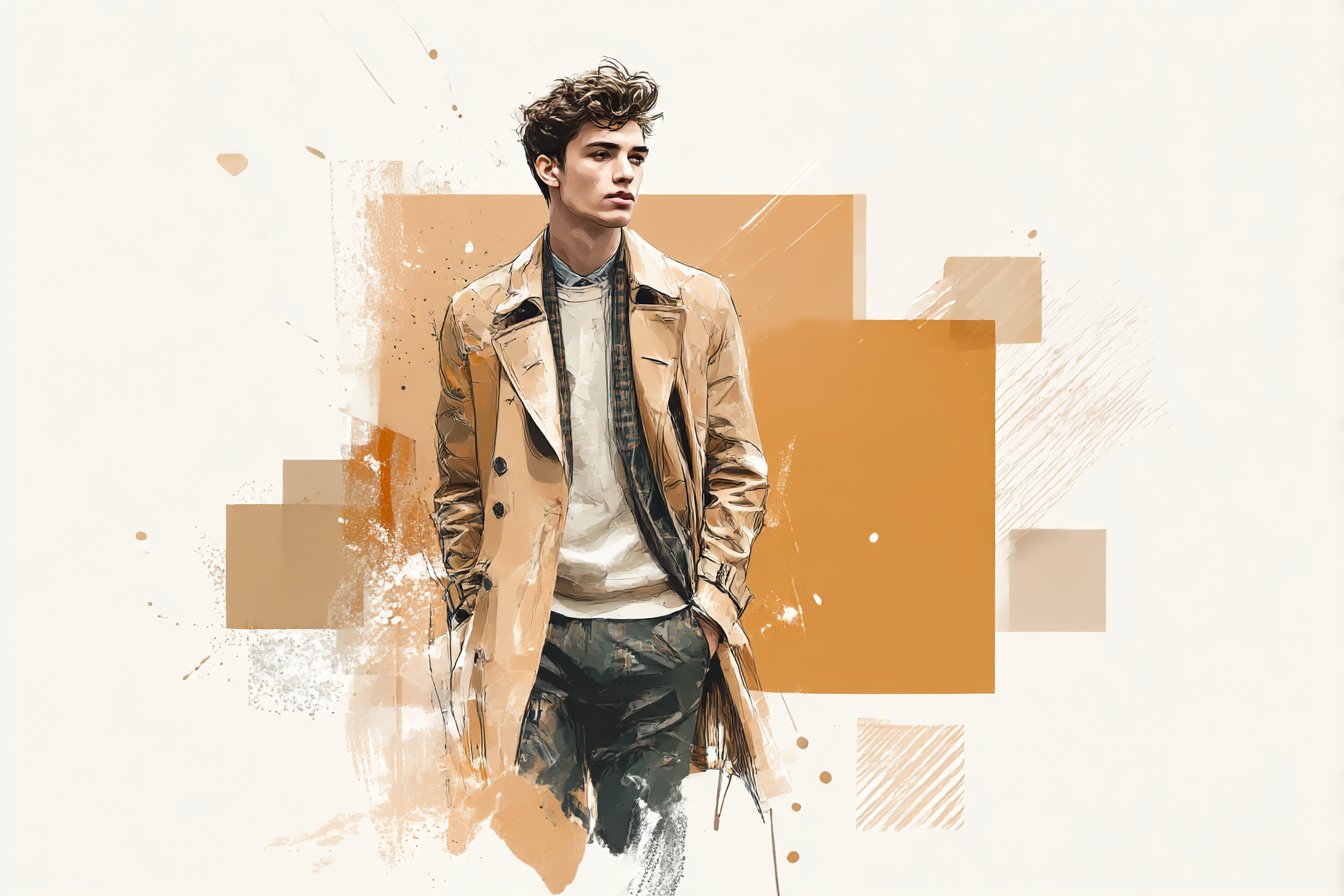
Up until recently, I thought that when it rains we have two choices for attire: Looking stylish or getting soaked.
Once you pick the former, you sacrifice all chances of picking the latter. Dressing yourself so you don’t arrive at work looking like you’re on a Duke of Edinburgh challenge seemed like an exercise in extremes. So why does everything HAVE to be dry clean only or completely morph your outfit into something Frankenstinian?
My wardrobe became split into categories of clothes that I actually liked and clothes that were waterproof. Cue miles of Gore Tex jackets with creepy sheep faces peering at me from every angle ready to set up home in my wardrobe whilst striking some sort of ridiculous adventurer vibe. I cracked last year whilst reporting on London Fashion Week, having bravely left the house without wearing a waterproof jacket on a day which can only be described as ‘rainy’.
I was sat interviewing an Italian designer whose brand new collection was oozing style, and whose slicked-back hair remained unfazed by the constant rain, while water trickled down my face from my fringe and down my legs, diluting my notes to a puddle of pointless blue ink. After about half an hour of slowly dying a darker shade of grey, crouching under the makeshift shelter of a basic blackweight I turned to him and asked him how he stayed so… dry? He smiled that stereotypical Italian smile where it’s hard to tell if he feels sorry for you or thinks you’re being stubborn for questioning him. “The secret,” he muttered conspiratorially “is to work with the rain.” I assumed he was telling me this because Italians are obtusely philosophical about nothing (“Did you see the ducks on TV last night?
Mama says they can predict the rain by watching them!”), but as the years have gone by and I’ve experimented with combining these two ideologies, I’ve slowly come to realise he was onto something: Escaping the British mentality of refusing to acknowledge it might rain, getting soaked as a result and then whinging about it for weeks isn’t serving us (fashion wise) well. Continuing to wear clothes that become dead to you the second the heavens open isn’t the answer either. Instead, we should aim to build a wardrobe with rain in mind.
One that doesn’t instantly downgrade you to wearing every technical nylon item known to man just because you didn’t cheque Accuweather before leaving the house. Let’s start with what is possibly the most obvious, and often overlooked garment: The raincoat. Not a waxed cotton North Face numNum shell that crinkles when you move as if your body has been encased in cellophane, but a good old-fashioned grown-up raincoat.
The classic Mackintosh. Not only the brand but the style of raincoat. Trust me when I say these have been around for a reason since 1823.
Yes, they’re simplistic in their design but it’s for a reason; the lack of gimmicky pockets and toggle tabs and reflective strips keep things sleek. The actual collar is also something to admire; it sits high enough on your neck that you can cuff it up to protect yourself from the rain without making you look like Dracula’s misogynistic cousin. It’s genuinely waterproof, yet doesn’t shout “ LOOK AT ME!
I’M WALKING TO WORK IN INCLEMENT WEATHER!! !11” like some desperately try. I spent years denying their existence; sure you wore them once you reached Defence Contracts Analyst age… right? Turns out, they’re actually quite cool.
It was a deep emerald green beefy number from a vintage shop in Edinburgh that started me on my crunchy laminated food journey (go figure, the rainiest city after London thinking about raincoats). It goes with everything in my wardrobe from suits to jeans, it’s 100% waterproof and actually quite effortlessly stylish. You can layer under it without feeling like a sausage stuffed too far into too small a casing and it’s got enough coverage to stop rain hitting your trousers from splashing up at your ankles as you trudge through puddles.
Speaking of puddles; what about shoes? Damn right I’m getting there. We live in a society now where we are programmed to believe that if you want to keep your shoes dry you must either a) wear Wellies or b) rubber glove like plastic bags over your trainers.
Both are acceptable in their own right (especially if you’re going to be wading through fields), but for your everyday London life there are better alternatives than sacrifcing style at the altar of practicality. The Italians have been dealing with sudden rain showers for years, mastering the art of the stealth rubber sole ages ago. Brands such as Tricker’s and Cobbett & Jones have been using Goodyear-welted shoes and boots with this specially developed rubber sole called Dainite since who knows when.
Pretty much look like a normal shoe from every angle, except from underneath. Instead of leather soles, you get a stylish covering of rubber which not only repels water but gives you better grip than most hiking boots. I own a pair of burgundy Derby boots with Dainite soles that have taken me through enough rainy car journeys that I wouldn’t trust my hands to keep dry without getting a single soggy sock.
And if you want to be REALLY bullet-proof against soggy feet there’s always this little gem I discovered from the boffins at Cedar Shoes in Northamptonshire. It’s called a storm welt, basically an extra layer of leather sewn into the seam between the shoe upper and the sole to help repel water from seeping in. Expensive?
You Might Also Like

Yup. Will they last you the rest of your life and look better than anything you’ll own? You betcha.
Jumpers. Ugh. The knitwear Conundrum.
There is possibly nothing more absorbent when it comes to water than a good wool jumper, and nothing worse than said jumper half-dried on a radiator wreaking havoc across your entire wardrobe with its weird smell. Luckily, my problem was solved years ago by an old friend who has sailed around the world and spent a lot more time in storms than I care to think about. Traditional sailors have been working this out for longer than Gore-Tex has been on supermarket shelves.
Solution? Sailor style jumpers. Now, don’t run off scrolling thousands of photographs of guys in chunky turtlenecks too bulky to even button up – we’re going for the opposite.
Cheque out these instead: Notice how much finer the knit is on these? That, paired with the higher neckline and a little bit of oil used to treat the wool helps dramatically. The tighter knit naturally repels more water, the oils add an extra layer of protection and being so dense it works as a great mid-layer without adding huge amounts of bulk.
Cheque out Carrier Company and North Sea Clothing for similar styles that look like normal jumpers but are built like rain jackets. Trousers are where I think the biggest mind shift needs to occur. It’s as if the British public have developed some sort of collective mental illness where we hate any trouser that doesn’t come with a straight leg and the ability to drag along the floor and collect rain water.
News flash pals: this is ridiculous. The obvious solution isn’t to start wearing waterproof over-trousers (barf), it’s to simply alter how you wear your standard trousers and jeans. Number one; bring back the turn up, not as a fashionable statement but a practical one.
Rolling up your jeans or cotton trousers by approximately 5cm does two things; stops your precious fabric from dragging through puddles and wears out far quicker, but it also creates a break in the line of your trousers that looks particularly good with boots. If you’re after something smarter look for cropped trousers that do the same job without looking… well, cropped. Next up; materials.
Where the Italians have once again beaten us to it for years. They’ve been sewing wool/mohair blends that basically repel water for as long as I can remember, marketing them as summer suits because they’re so lightweight. The reason?
It sheds water. Not only that, but when it dries it doesn’t stain like rain can with 100% wool. Just some things to ponder next time you’re building your wardrobe.
And that my friends brings me nicely onto my next point; layers. One big bulky waterproof jacket isn’t the only way to keep dry. By layering up with thinner layers you can build both warmth and water resistance.
Throw on a lightweight merino jumper as your base layer, shirt, lightweight blazer or cardigan and finally, the aforementioned raincoat. You can take layers off and on as you delve into the deepest depths of British weather, or pop into a pub that’s decided to turn into the Sahara for some inexplicable reason. If you’re still not convinced, maybe it’s time we take a peek at what accessories you can actually throw on to brave the elements.
Before you run outside you’re unprotected skin, consider this; Your accessories are the first thing that hits the rain. Umbrellas are an obvious one. None of these awkward flexi-style bubble parasols, invest in a sturdy umbrella with a wooden handle like they’ve been selling in James Smith & Sons since 18 30.
Drop it on the Tube like I’ve successfully done three times now?
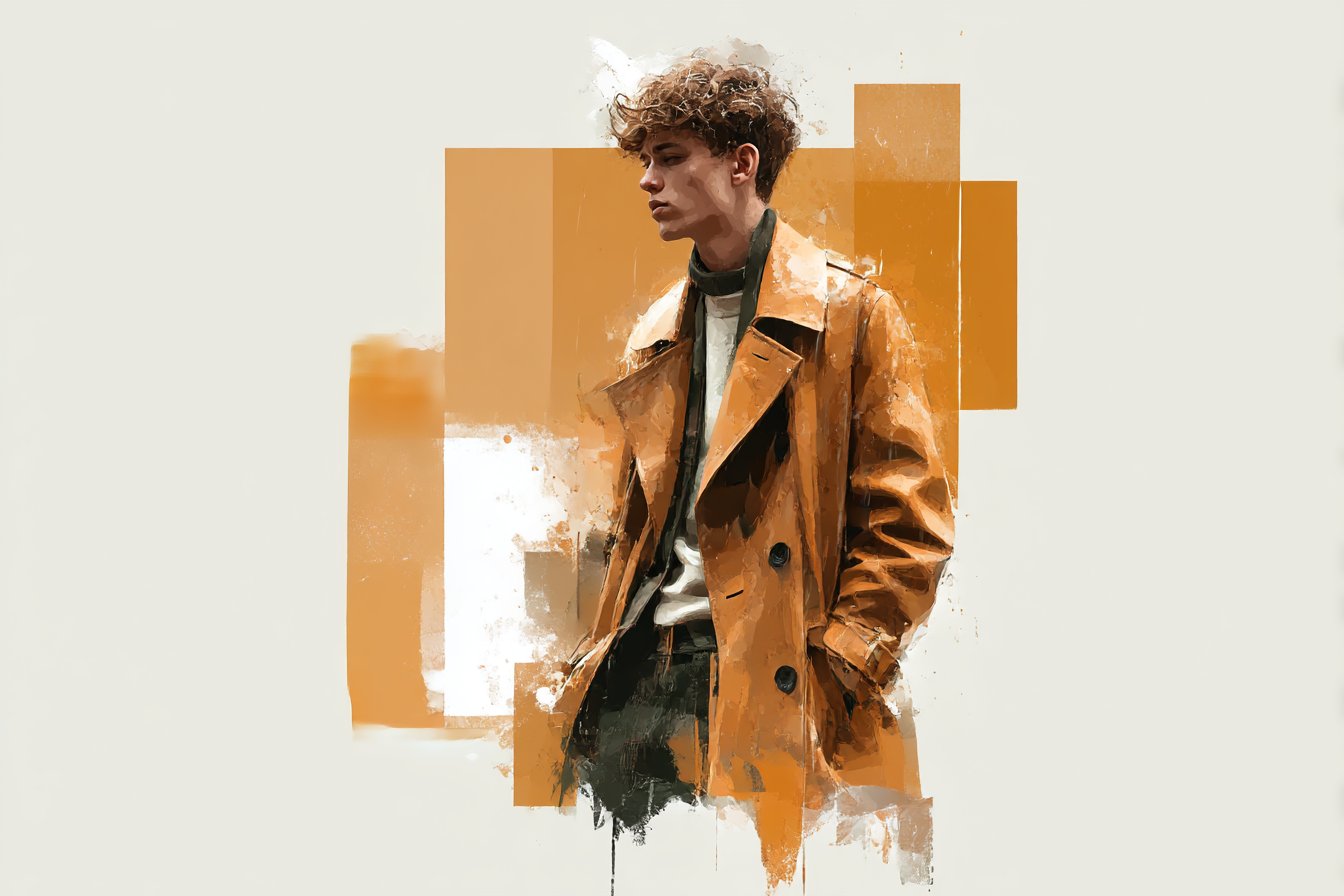
At least it’s done it’s job when it was with you. Ok ok, so you don’t own a jacket that rains are made for, what about a hat?
Hear me out. Not a collection of Premier League stickers plastered across your forehead like a beanie, but a goddamn hat with an actual brim. Christys’ sell this lovely little number that packs down small enough to fit in your pocket should you emerge from the rain into actual sunshine.
Waterproofed to keep the rain at bay it’s also miles more stylish than heading full throttle into hood mode. The truth is, we will never live in a world where our weather allows us to rock the kinds of sunglasses and unencumbered clothing options that our warmer European cousins flaunt year-round. But we also don’t have to spend every winter season looking like we should be hiring ourselves out as stray alarm dogs (see what I did there?).
Somewhere between soggy Edward Cullen lookalike and fully equipped expedition leader lies a style sensibility that accepts rain as a possibility but isn’t ruled by it. That designer was right. You can’t fight mother nature, but you can at least wear what she inspires and stop looking like a drowned rat every time you step outside.


